Exploring the Controversy of Filming in the Western Sahara
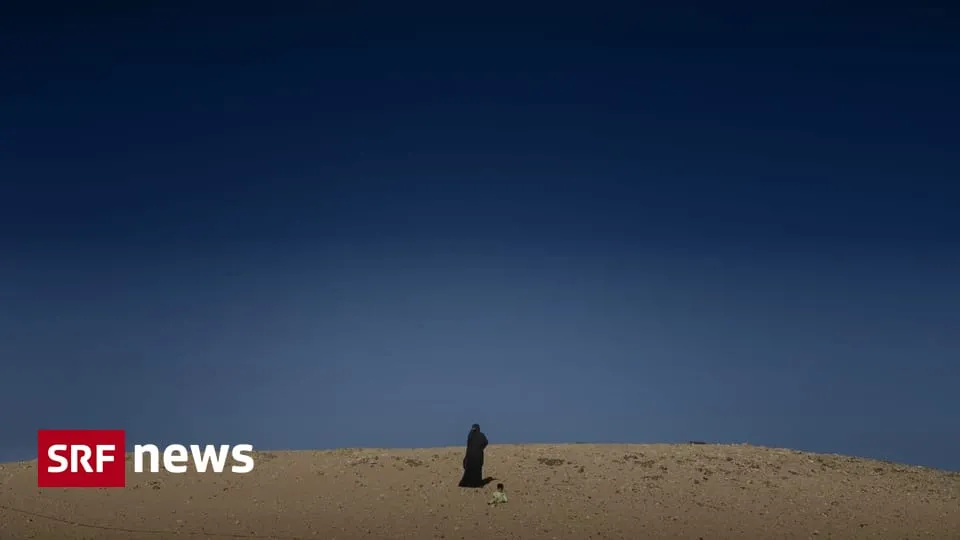
Christopher Nolan's latest Hollywood blockbuster, "Odyssey," has ignited a significant debate surrounding its filming location in the politically sensitive region of Western Sahara. This area, located near the coastal city of Dakhla, is currently under Moroccan control, but its legal status remains unresolved, as international law views the occupation as illegitimate. Bettina Gräf, a cultural historian specializing in North Africa, emphasizes the complexities surrounding this issue, particularly for the Sahrawi people, the indigenous inhabitants of the region. Many Sahrawis have been living in refugee camps in Algeria for nearly fifty years, having fled their homeland during Morocco's military incursion in 1975. The historical context is essential, as Western Sahara was a Spanish colony until 1975, after which Morocco claimed it as part of its southern provinces, a designation that the Sahrawis contest in their fight for self-determination led by the Frente Polisario liberation movement.
Critics of "Odyssey" argue that the film inadvertently legitimizes Morocco's occupation and portrays the country in a more favorable light on the international stage. Gräf counters this perspective, asserting that Morocco does not require a Hollywood film to validate its control, as it already holds significant political leverage, particularly in relations with the European Union and its allies in counter-terrorism and economic partnerships. Nevertheless, the controversy surrounding the film's shooting location has reignited discussions about the ongoing conflict, presenting an opportunity for the entertainment industry to raise awareness about the Sahrawi plight, which could have been enhanced by the film's considerable marketing budget.
The Moral Responsibility of Filmmakers
When discussing the ethical implications of filming in conflict zones, Gräf poses a critical question about the responsibilities of both individuals and corporations. The juxtaposition of a grand film production against a backdrop of conflict, occupation, and violence creates a striking contrast that should not be overlooked. As the global entertainment industry navigates these sensitive waters, it must consider its role in highlighting local issues, especially when substantial financial resources are available. The question remains: Should filmmakers use their influence and platforms to shed light on the realities of the locations they choose to depict?
In summary, the filming of "Odyssey" in Western Sahara not only raises important questions about the intersection of culture, politics, and ethics but also highlights the need for greater awareness and responsibility within the film industry. The narrative surrounding this project serves as a reminder of the potential impact that media can have on social and political discourse.
As reported by srf.ch.