Transforming the Textile Industry for Economic Growth
Despite Morocco experiencing a youth unemployment rate of approximately 23%, the nation is leveraging its vibrant textile sector as a strategic means to alleviate this issue, stimulate economic growth, and broaden economic opportunities across the country. The textile industry in Morocco stands as a vital component of the economy, providing over 200,000 jobs, which accounts for 27% of the total industrial employment. Moreover, it significantly contributes 7% of the industrial value within the nation. To capitalize on this potential, Morocco is actively implementing textile training programs designed to connect participants with established industry pathways, thereby fostering enhanced economic prospects.
Supported by prominent organizations such as the United Nations Educational, Scientific and Cultural Organization (UNESCO) and Alwaleed Philanthropies, these initiatives are instrumental in equipping individuals with essential skills not only in garment production but also in small business development. The Alwaleed Philanthropies initiative alone has impacted over 6,300 individuals, with approximately 5,000 beneficiaries anticipated in 2024. This remarkable outreach underscores the commitment to empowering the youth and facilitating their integration into the workforce.
Driving Competitiveness and Preserving Cultural Heritage
Morocco's commitment to textile development is multifaceted, extending beyond singular initiatives. Programs backed by the International Trade Centre (ITC) focus on enhancing competitiveness within the textile and clothing sector, particularly by assisting small and medium-sized enterprises in improving production capabilities, boosting exports, and integrating into global value chains. Such initiatives complement workforce training efforts, ensuring that newly skilled workers are entering a sector characterized by increasing demand and improved access to international markets.
On a national scale, Morocco has invested in industry-specific initiatives such as the Industrial Acceleration Plan, which prioritizes workforce training, investment, and sectoral growth aimed at fostering sustainable job creation. By merging textile production skills with comprehensive workforce training, these programs effectively create a direct pathway for Moroccans to transition from education to employment. Furthermore, specialized training is provided to over 500 artisans, concentrating on critical areas such as fashion design, model development, and creative production.
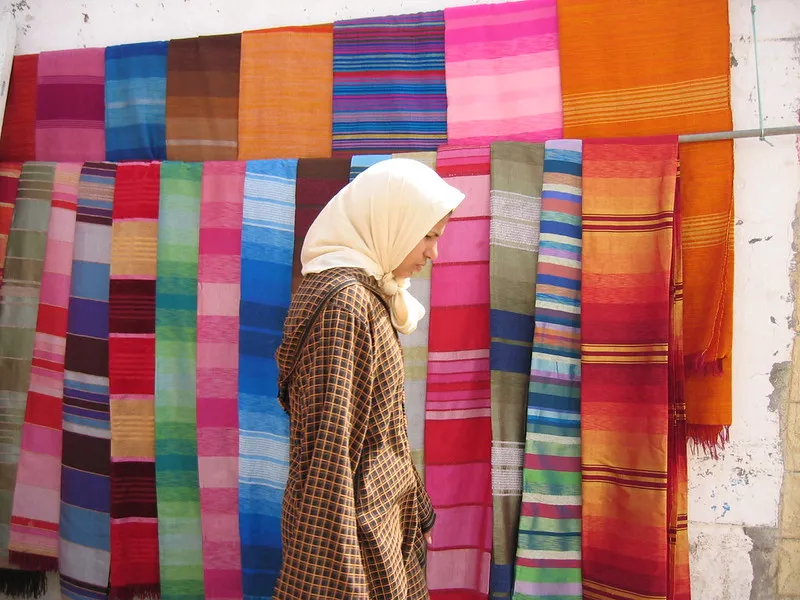
The emphasis on creativity within these programs acknowledges the importance of cultural preservation. Participants are encouraged to modernize traditional Moroccan textiles, ensuring that the industry remains competitive while safeguarding cultural heritage. Traditional practices like kaftan production are recognized by UNESCO as integral to Morocco's cultural identity, highlighting the necessity of preserving these techniques while adapting them to contemporary markets.
This blend of preservation and innovation enables participants to maintain their cultural identity while accessing diverse opportunities in tourism and international markets where handcrafted textiles are highly valued. The robust export base of the textile and clothing sector further facilitates these opportunities, connecting locally produced goods with global buyers and supply chains, thereby enhancing economic opportunities in Morocco on both local and international fronts.
Instead of establishing entirely new industries, this strategic approach focuses on reinforcing existing sectors, making job creation more immediate and effective in addressing the ongoing challenges of youth unemployment. By linking training directly to employment prospects, these programs play a crucial role in mitigating the economic factors that lead to poverty. By equipping individuals with both technical and entrepreneurial skills, Morocco’s initiatives in the textile sector are paving the way for expanded income opportunities and creating more stable economic pathways for the youth.
As reported by borgenproject.org.