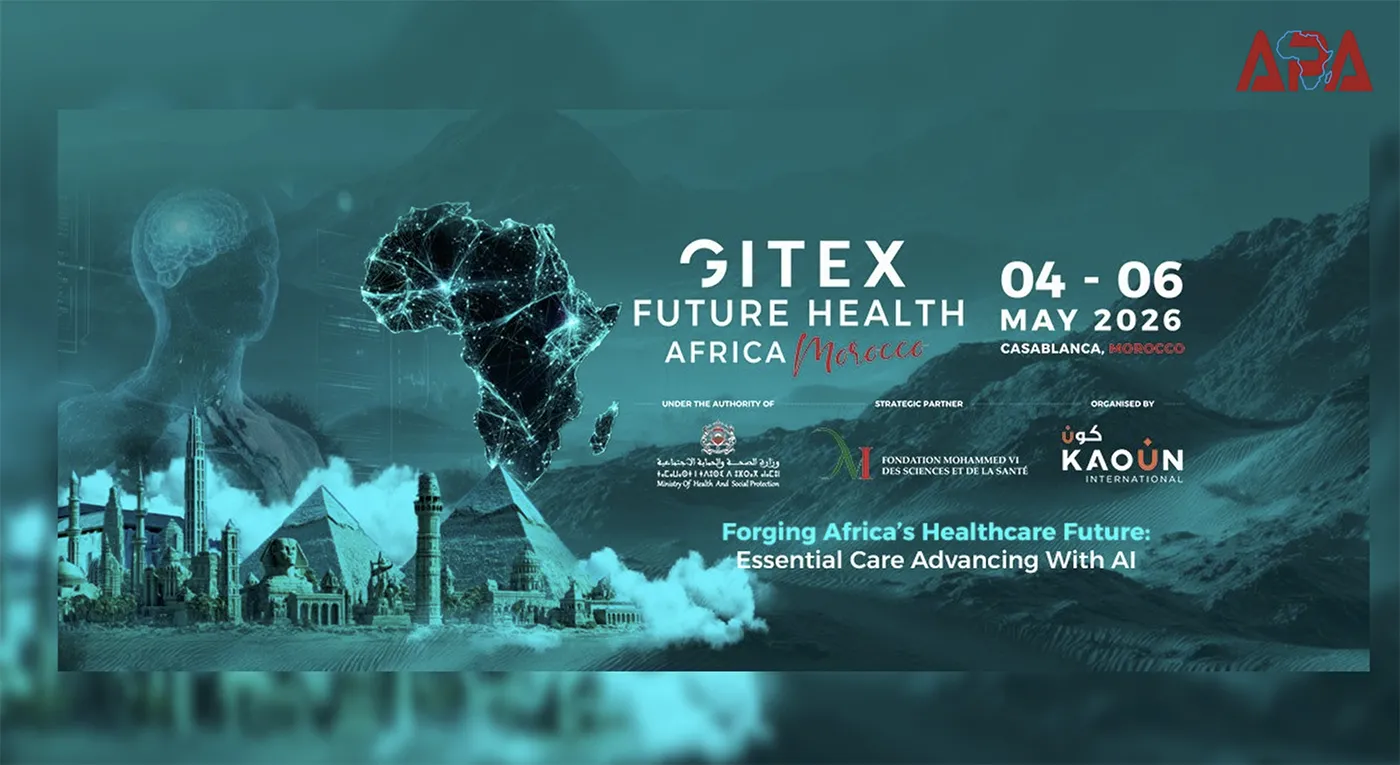
In a thought-provoking discussion at the GITEX Future Health Africa event held in Casablanca, Morocco, the General Director of Research and Innovation at the Mohammed VI Foundation for Sciences and Health, Saber Boutayeb, emphasized the transformative potential of artificial intelligence (AI) in the medical field. He stated that AI enables a significant shift from traditional medicine to genuinely personalized healthcare, thanks to its ability to analyze vast amounts of genomic data.
Boutayeb articulated that while AI provides the capability for enhanced decision-making by delivering precise and contextual insights, it is crucial to remember that this technology cannot replace the depth of clinical knowledge, scientific references, and professional experience that medical practitioners possess. He highlighted that AI should be viewed as a decision-support tool rather than a substitute for human judgment in medical contexts.
During the panel titled 'Medical Research in the Age of Artificial Intelligence: Data, Models, and Evidence', Boutayeb elaborated on the centrality of data governance. He noted that genomic data, due to its inherently sensitive nature, necessitates rigorous governance frameworks to address ethical implications and ensure scientific validation, particularly within the healthcare sector. He advocated for a cautious and regulated approach to using AI in precision medicine, emphasizing the need to prioritize locally developed solutions tailored to national challenges over technologies that may exploit data without appropriate oversight.
Jamila El Alami, the General Director of Research and Innovation at Morocco's National Center for Research, Science, and Technology (CNRST), also contributed to the conversation by stressing the tangible impact that AI can have on health systems. She underscored the importance of building a robust, ethical, and secure ecosystem for any healthcare system. El Alami pointed out that Morocco's hybrid healthcare system possesses significant advantages that could leverage digital tools and AI not only to bridge existing gaps but also to prevent past mistakes, such as the challenges faced in vaccine distribution during the COVID-19 pandemic.
In her closing remarks, El Alami asserted that the application of AI in medicine must focus on transformative solutions while ensuring procedural safety. This involves establishing an interoperable national governance structure that facilitates smooth yet controlled access to data for researchers, which is essential for fostering innovation while protecting patient rights.
As reported by aps.sn.