The Emergence of a Hantavirus Outbreak on MV Hondius
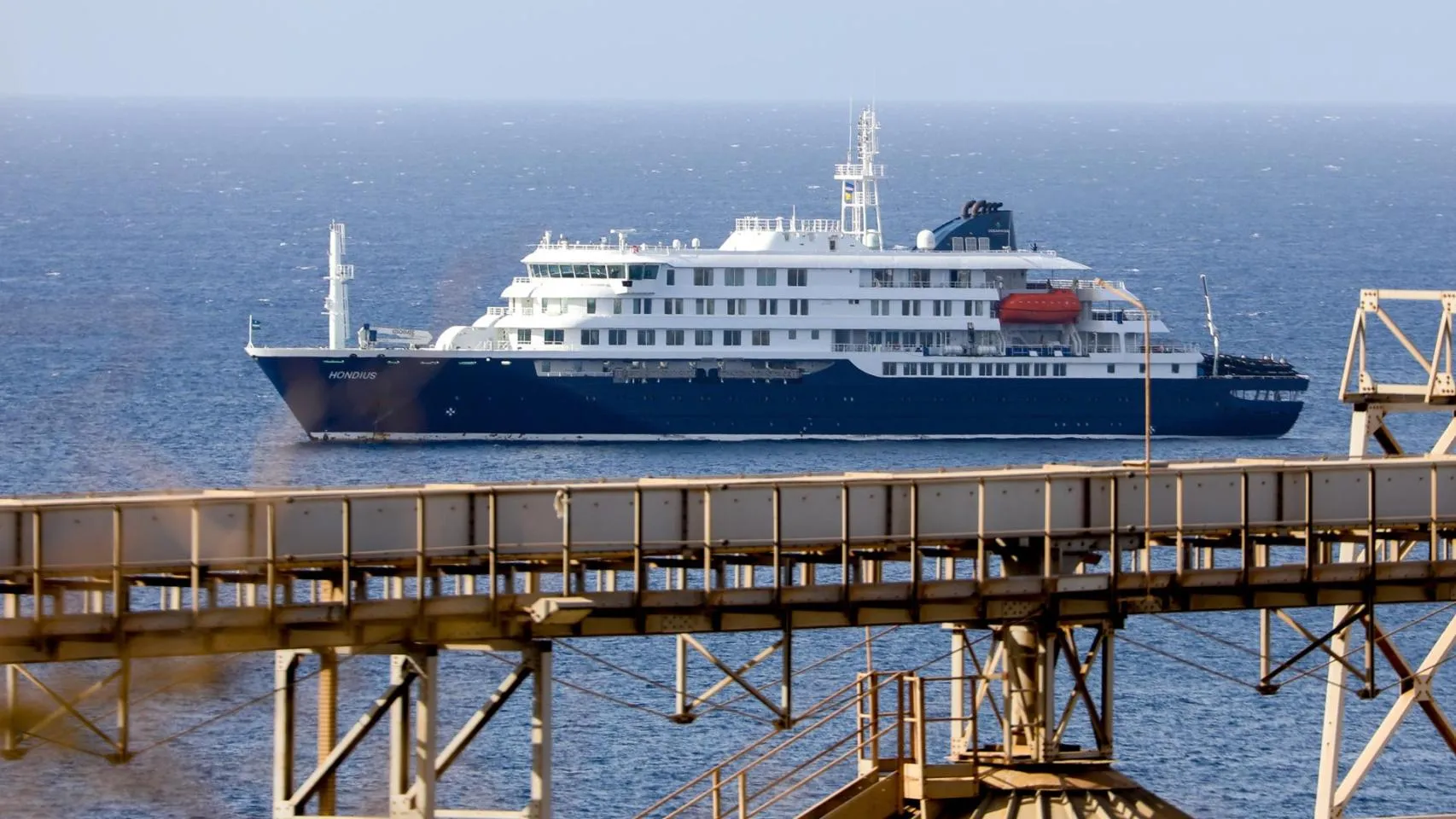
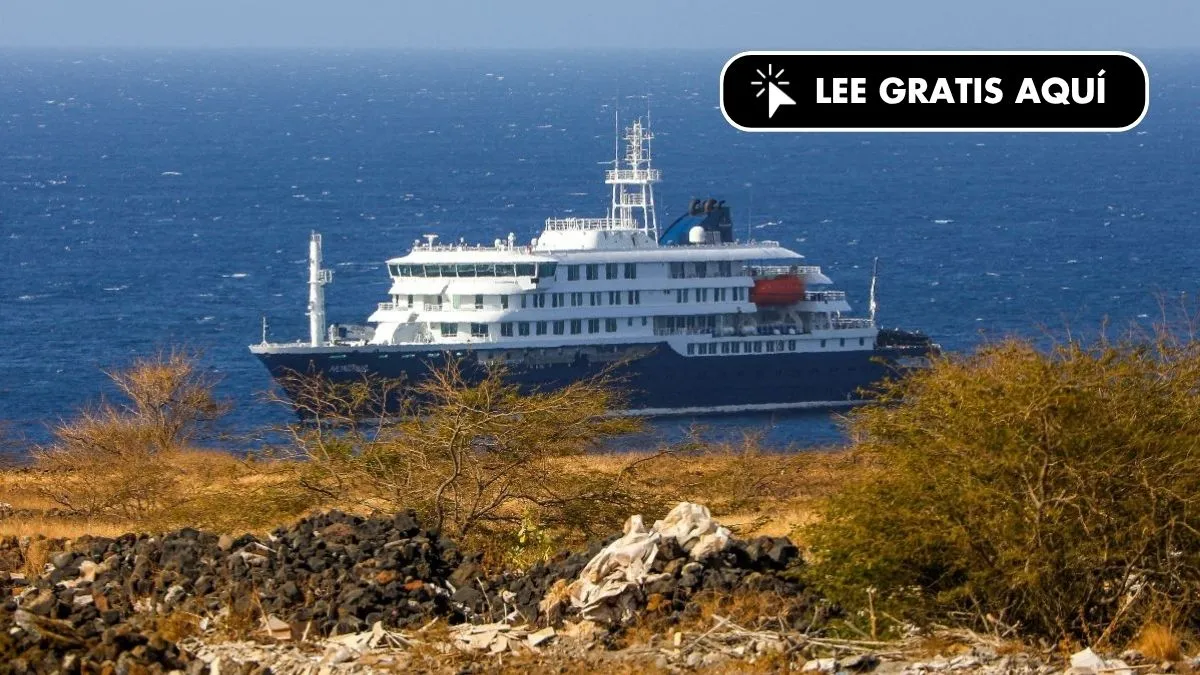
The polar cruise ship MV Hondius, which embarked on a transatlantic repositioning journey from Ushuaia, Argentina, on March 20, has become the focal point of an unprecedented international health crisis due to a lethal hantavirus outbreak. Currently anchored off the coast of Cape Verde, the ship's situation is dire with confirmed reports of three passenger fatalities, one critical evacuation to South Africa, and additional suspected cases of acute respiratory conditions aboard. The World Health Organization (WHO) and teams of epidemiologists are closely monitoring the health status of the 147 crew members and passengers, including 14 Spanish nationals, who are in isolation within their cabins as authorities work to understand the infection's origin. Hantavirus is typically transmitted via rodents, making its spread in a confined environment exceedingly rare.
International Response and Controversy
The medical emergency has triggered a complex logistical operation, compounded by institutional tensions and uncertainty regarding the ship's next steps. Although the cruise line did not initially plan for the Canary Islands to be a destination, the Dutch shipping company proposed diverting to the Spanish archipelago as a nearby refuge harbor. This suggestion has met with staunch opposition from the regional government, which demands comprehensive health guarantees for its population. The Spanish Ministry of Health has indicated that an emergency stop will only be authorized if new infections are detected during the journey. The immediate priority, however, is being coordinated from the Netherlands, where the government has begun deploying high-isolation medical aircraft to evacuate symptomatic patients from Africa to safely transfer them to European hospitals.
The outbreak has underscored the necessity for effective surveillance and response policies regarding zoonotic diseases, integrating veterinary perspectives in identifying reservoirs and exposure sources, as well as in assessing environmental risks and implementing appropriate preventive measures. According to Francisco Ruiz, a veterinarian and scientific researcher at the CSIC in the Institute of Game Resources Research, this incident highlights the 'One Health' concept of zoonoses, emphasizing the interconnectedness of human, animal, and environmental health. He elaborated that the primary transmission route for hantavirus is environmental, primarily through the excreta of infected rodents accumulated over time, rather than through ordinary interactions with potentially exposed individuals.
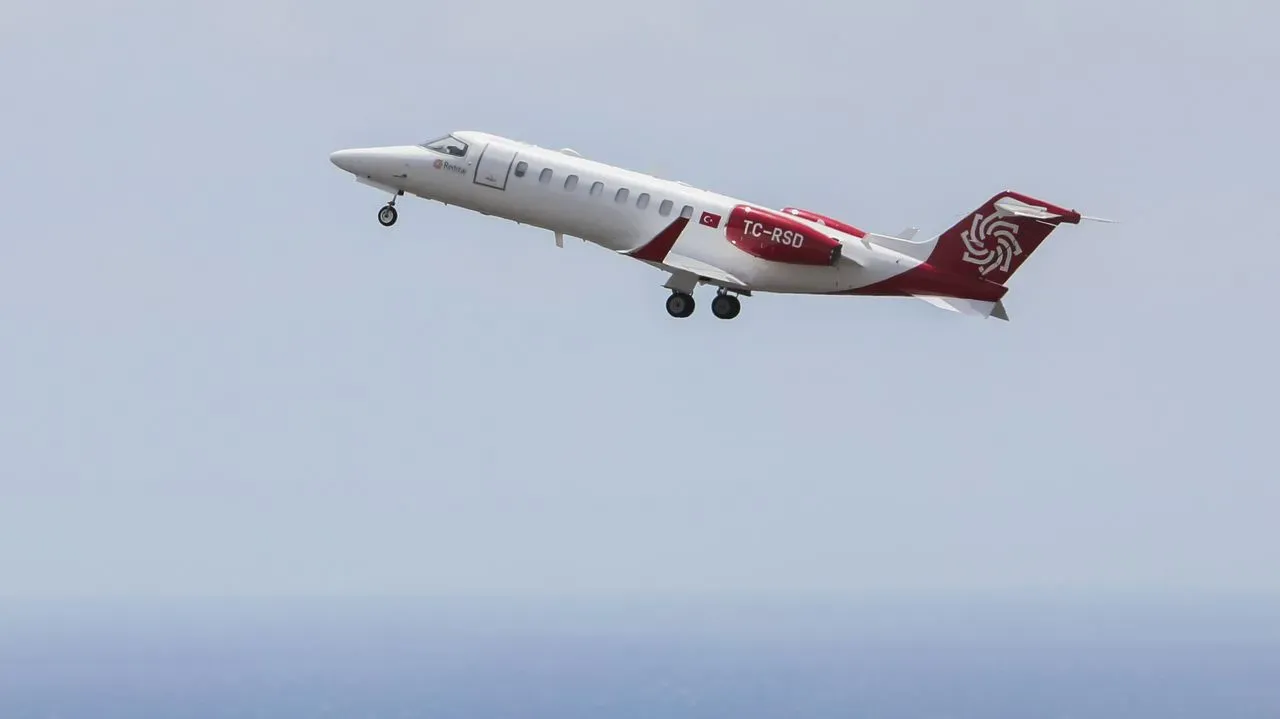
As the situation develops, an air ambulance evacuated two patients suspected of contracting hantavirus from the MV Hondius to the Netherlands, having made an unscheduled stop in Gran Canaria after Morocco denied entry for refueling. The flight, which left Praia International Airport at 11:00 AM, was supposed to stop in Marrakech before continuing to Amsterdam, arriving around 5:00 PM local time. Local authorities in Tenerife have made it clear that they absolutely oppose the MV Hondius docking in their waters, reinforcing their stance that the island should not bear the burden of international crises that other nations are unwilling to manage.
In response to the escalating situation, the Central Independent and Civil Servants Union (CSIF) has called for information, protocols, and protective measures for frontline personnel assisting with the MV Hondius case upon its arrival in the Canary Islands. They have specifically requested preventive measures for port authority staff, healthcare professionals, emergency responders, police, military personnel, and hospital staff responsible for the transfer to Madrid, aiming to ensure their safety. The Cabo Verdean health authorities confirmed the safe evacuation of three patients suspected of hantavirus exposure, facilitated by a significant security presence.
Calls for calm and institutional responsibility have been echoed by various political figures, advocating for transparent information dissemination and scientific coordination amid this sensitive public health crisis. Experts assert that while the risk of human-to-human transmission of hantavirus exists, it is uncommon and typically occurs in very close and prolonged contact with symptomatic individuals. The Spanish government is actively engaging with the 14 Spanish passengers aboard the ship and their families to communicate details about the crisis management efforts related to the hantavirus outbreak. The Minister of Health has reiterated that all necessary steps will be taken to guarantee the safety of passengers and the local population as the situation evolves.
As reported by theobjective.com.