Grain Production and Its Impact on Morocco's Imports
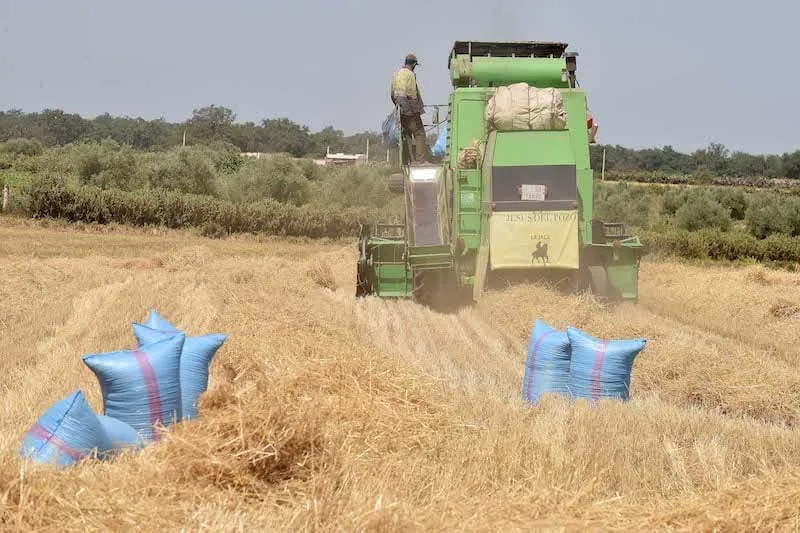
Recent declarations from Ahmed El Bouari, Morocco's Minister of Agriculture, Maritime Fisheries, Rural Development, and Water and Forests, have revealed promising forecasts for the country’s grain production, projected to reach an impressive 90 million quintals this season. This significant increase in output is expected to initiate a major overhaul of import strategies within the country. According to a source from the National Office for Professional Grain and Pulses, this surge in domestic production will likely lead to a reduction in import volumes by approximately 40 percent, allowing the nation to rely more heavily on its own reserves bolstered by substantial rainfall this year.
The anticipated wheat yield for this agricultural season, set between 85 to 90 million quintals, underscores the collective efforts made by stakeholders to ensure a successful harvest across Morocco. The Minister's announcement has sparked optimism regarding the quality and yield of the crops, particularly given the favorable weather conditions and significant rainfall recorded in recent months. A goal has been set to accumulate 20 million quintals by June from the total projected harvest, which is expected to contribute substantially to lowering import needs. Instead of importing around 50 million quintals, Morocco plans to focus on enhancing its national production, strengthening food sovereignty while reducing dependence on foreign sources for this vital commodity.
Strategically, the aim of accumulating domestic wheat is to establish a strategic reserve of about 8 million quintals, which will be complemented by quantities directed towards mills upon their marketing. This initiative is crucial for ensuring supply stability and meeting local market demands for flour and bread. The current situation illustrates a pivotal moment for Morocco's agricultural sector, showcasing the potential for self-sufficiency and resilience in the face of global supply chain uncertainties. With the government’s commitment to bolster local production, the nation is not only securing its food supply but also taking significant steps towards enhancing its agricultural sustainability.
As reported by hespress.com.