German Foreign Minister Johann Wadephul Visits Morocco for Strategic Dialogue
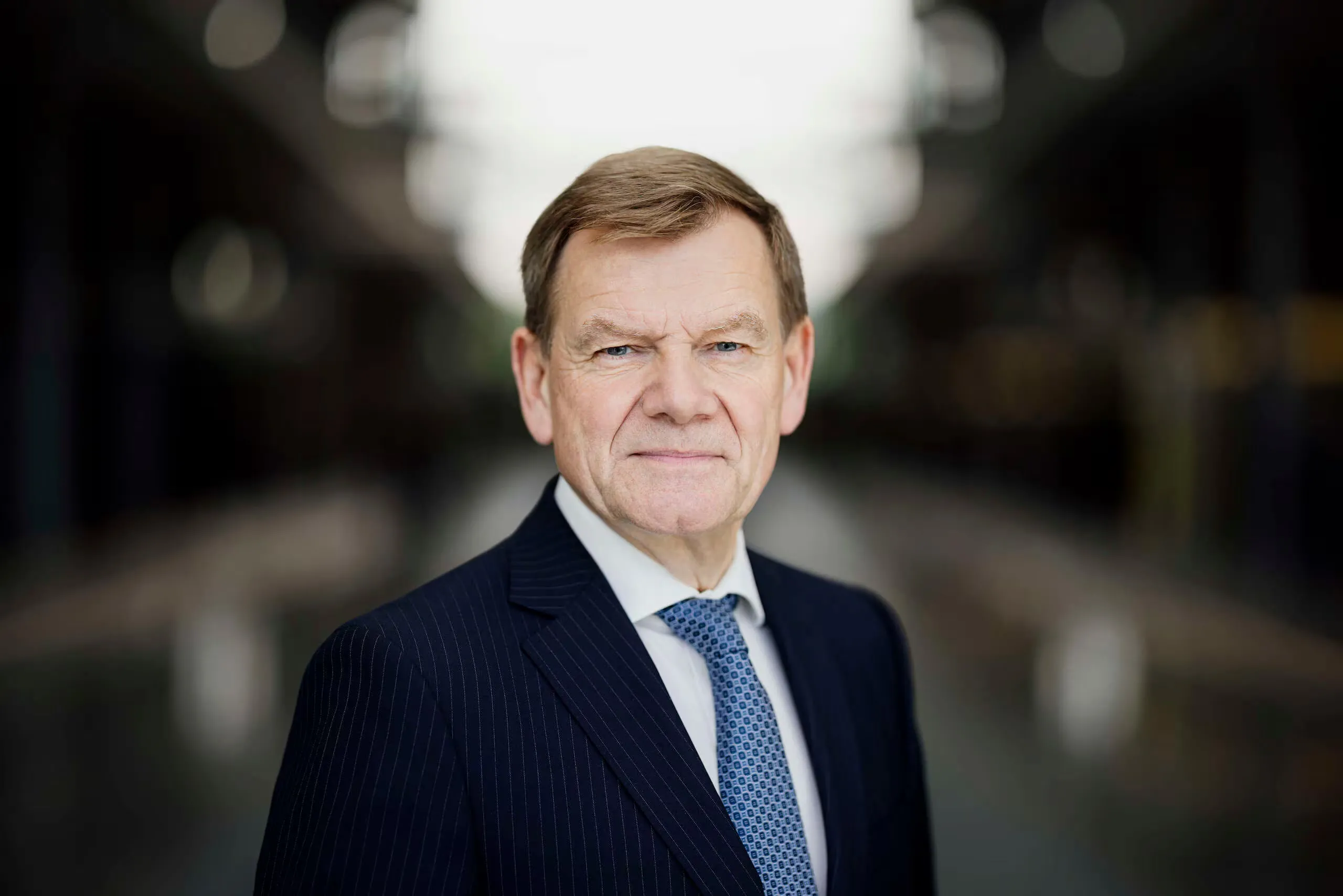
On Wednesday, April 28, 2026, Johann Wadephul, the Federal Minister of Foreign Affairs of Germany, is set to embark on an official visit to Morocco. This significant diplomatic engagement aims to strengthen the strategic dialogue between Germany and Morocco, focusing on enhancing bilateral relations as well as addressing regional issues. Accompanying the minister will be a delegation of business leaders, underscoring the importance of economic collaboration between the two nations.
During his visit, Minister Wadephul is scheduled to meet with Nasser Bourita, Morocco's Minister of Foreign Affairs, African Cooperation, and Moroccans Living Abroad. This meeting is anticipated to cover a range of topics including the current state of bilateral relations and economic cooperation, alongside pressing regional matters such as developments in the Middle East and the Sahel region. Kathrin Deschauer, spokesperson for the German Foreign Ministry, emphasized that Morocco plays a pivotal role as a key partner for the German government and serves as a crucial bridge connecting Europe and Africa.
Furthermore, this visit comes at a time when relations between Morocco and Germany have been flourishing. Since 2021, Germany has expressed unwavering support for Morocco's autonomy plan regarding the Sahara, a stance that has been consistently reiterated. The latest formal acknowledgment of this support was made in June 2024, when former German Foreign Minister Annalena Baerbock stated that Germany views Morocco's autonomy plan as a solid foundation for a definitive resolution to the ongoing conflict surrounding the Sahara.
In a recent interview, Robert Dölger, Germany's ambassador to Morocco, provided an optimistic assessment of the bilateral ties, highlighting over 70 years of fruitful economic and diplomatic cooperation. He pointed out that the anniversary symbolizes a remarkable success story for both nations, characterized by open and constructive exchanges despite historical challenges. Economically, Germany ranks among Morocco's top five trading partners, with balanced trade figures that reached approximately 3.9 billion euros in German exports and 3.5 billion euros in Moroccan exports. The ambassador noted that Germany has continually sought to support Morocco's development, particularly in job creation, exemplified by a German automotive company that has generated nearly 20,000 direct and indirect jobs in the region.
Moreover, vocational training has been a significant aspect of this cooperation, with many Moroccan government officials receiving training in Germany. German small and medium-sized enterprises, especially in the industrial sector, have shown a growing interest in Morocco, drawn by the country's political stability, regulatory clarity, and skilled workforce. These factors position Morocco as a competitive destination for business, especially as a gateway to West and Central Africa. Dölger also highlighted the untapped potential of Morocco's Southern provinces, where several German companies have already established a presence, and indicated that investment would likely increase as a clear and stable framework is developed for future collaboration.
As reported by fr.le360.ma.