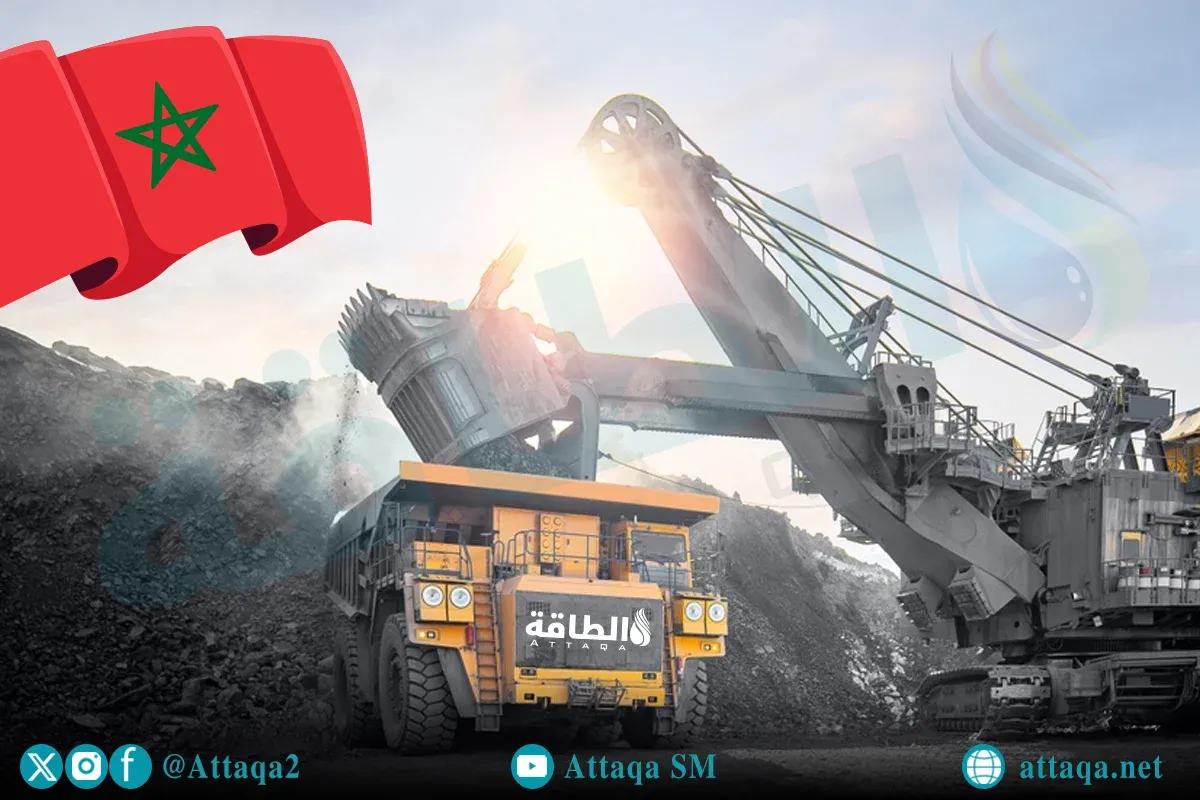
Coal's Resurgence in Global Energy Amidst Geopolitical Tensions
In recent months, Morocco has successfully navigated through a turbulent energy landscape without experiencing significant disruptions in its electricity supply, despite a drastic reduction in gas imports caused by the Iranian conflict and fluctuations in the global market. This stability can be attributed to the pivotal role that coal plays in Morocco's energy mix, positioning the country among the top global users of this fossil fuel. In stark contrast, some of the world's largest economies have faced considerable challenges due to the energy supply crisis, particularly as shipping routes in the Strait of Hormuz have been hindered, leading to geopolitical tensions that have affected gas exports.
According to an analysis by the Washington-based energy platform, the crisis surrounding energy supply shortages has forced many economies to revert to coal, reflecting the immense global pressures stemming from the current geopolitical landscape. This situation has underscored the fragility of energy security for countries heavily dependent on energy imports, compelling them to seek alternative sources amidst escalating prices and supply constraints.
Morocco: A Case Study in Energy Adaptation
Morocco's experience mirrors that of numerous nations reliant on energy imports, particularly as the country has witnessed a decline in gas supplies, prompting an expansion in coal usage. In the first quarter of 2026, Morocco's gas imports decreased significantly, plunging by 15% compared to the same period in the previous year, with total imports dropping from 2.33 terawatt-hours to 1.98 terawatt-hours. The steepest decline occurred in March, coinciding with the onset of the Iranian conflict, where imports fell to a mere 583 gigawatt-hours, down from 956 gigawatt-hours the previous year.
The disruptions included a four-day halt in gas imports during the third week of March, with subsequent flows resuming at approximately 20% below normal levels, before experiencing another drop to less than a quarter of the usual supply. By early April, Morocco saw no gas inflows at all, as imports had ceased entirely from the end of March. Official explanations for this decline have not been disclosed, leaving questions about whether the government is grappling with high spot market prices or challenges in securing liquefied natural gas shipments for regasification in Spain.
Despite these challenges, Morocco has not faced significant power outages or acute energy crises as a result of reduced gas imports. This resilience is largely due to the Moroccan government's strategic decision to enhance the role of coal in its energy portfolio, notably increasing imports of this globally criticized fuel to support the electricity sector. This reliance on coal, particularly sourced from Russia, is not a recent development but rather a continuation of a broader trend within the country’s energy strategy.
As Morocco adapts to the shifting energy landscape, its experience serves as a critical case study for other nations navigating similar challenges in energy security amidst global tensions. The country's strategic pivot towards coal amidst gas shortages highlights the complexities and realities of energy dependence and the ongoing evolution of global energy dynamics.
As reported by attaqa.net.