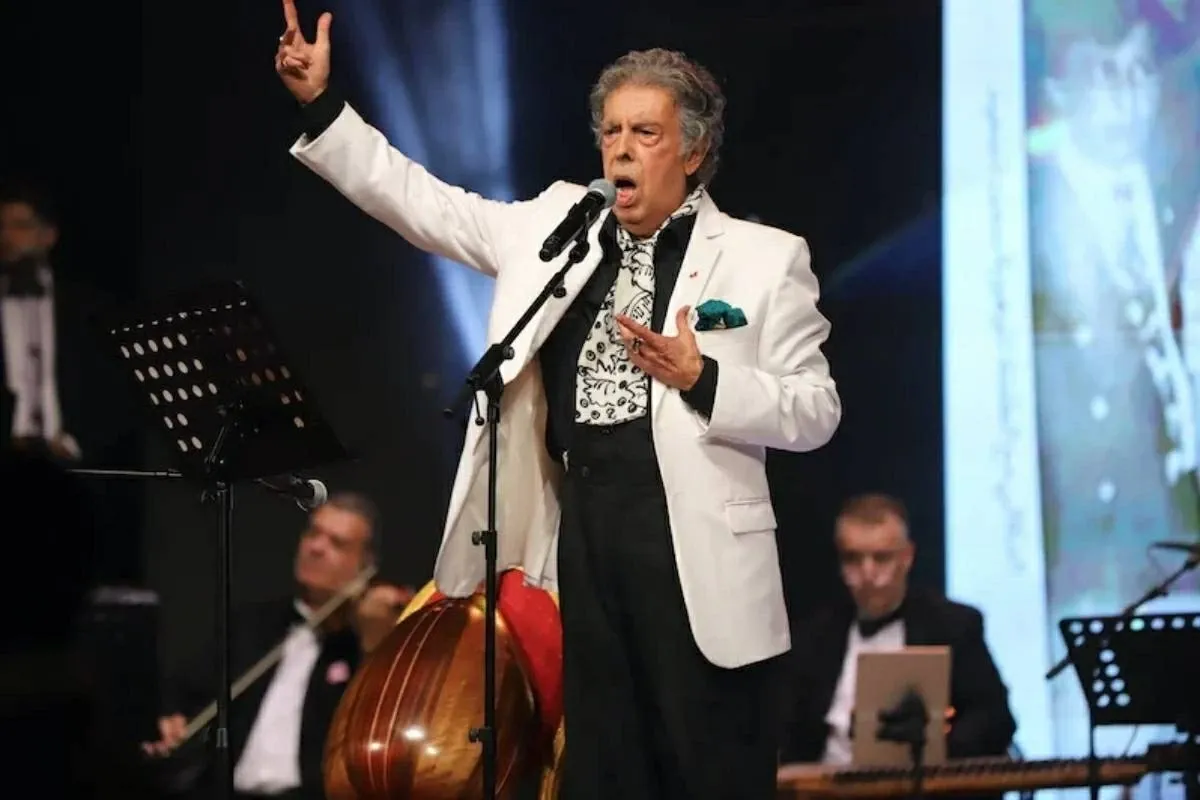
Abdel Wahab Doukkali, the illustrious Moroccan musician, made headlines following his passing on Friday morning at the age of 85, after a brief battle with illness. His departure leaves behind a treasure trove of contemporary Arab music, as well as a significant chapter in the evolution of modern Moroccan song, which he helped to shape profoundly.
Key Highlights from Doukkali's Artistic Journey
Doukkali's artistic journey began in the historic city of Fez in 1941, where he immersed himself in the rich Andalusian culture and deep-rooted traditions of his homeland. However, his ambitions always extended beyond the physical and cultural walls of his surroundings. He rose to prominence in the late 1950s, and during the 1960s and 1970s, he successfully carved out a unique artistic identity. He was not only a musician but a theatrical performer who brought songs to life through expressive movements and facial gestures. In addition, he was a musical painter, skillfully crafting complex emotional imagery through his melodies.
Doukkali's legacy is vast and multifaceted, yet his iconic song "Morsoul El Hob" stands out as a timeless anthem that transcended generations and geographical boundaries. This beloved piece broke barriers of language and dialect, resonating with listeners across the Arab world for decades. Furthermore, his works such as "Kan Ya Ma Kan," "Ma Ana Illa Bashar," and "Ana Wal Ghorba" marked pivotal moments in the history of Arabic composition, where Doukkali introduced innovative musical solutions characterized by drama and philosophical depth.
His contributions to music were recognized with the prestigious "Golden Record" for his masterpiece "Ma Ana Illa Bashar," which continues to echo throughout the Arab world as one of the icons of universal music. In 1985, he was honored with the Grand Prize at the Moroccan Song Festival in Mohammedia for his immortal song "Kan Ya Ma Kan," further solidifying his reputation as a leading figure in the music scene.
As reported by almasryalyoum.com.