Fouzi Lekjaa's Leadership in Moroccan Football
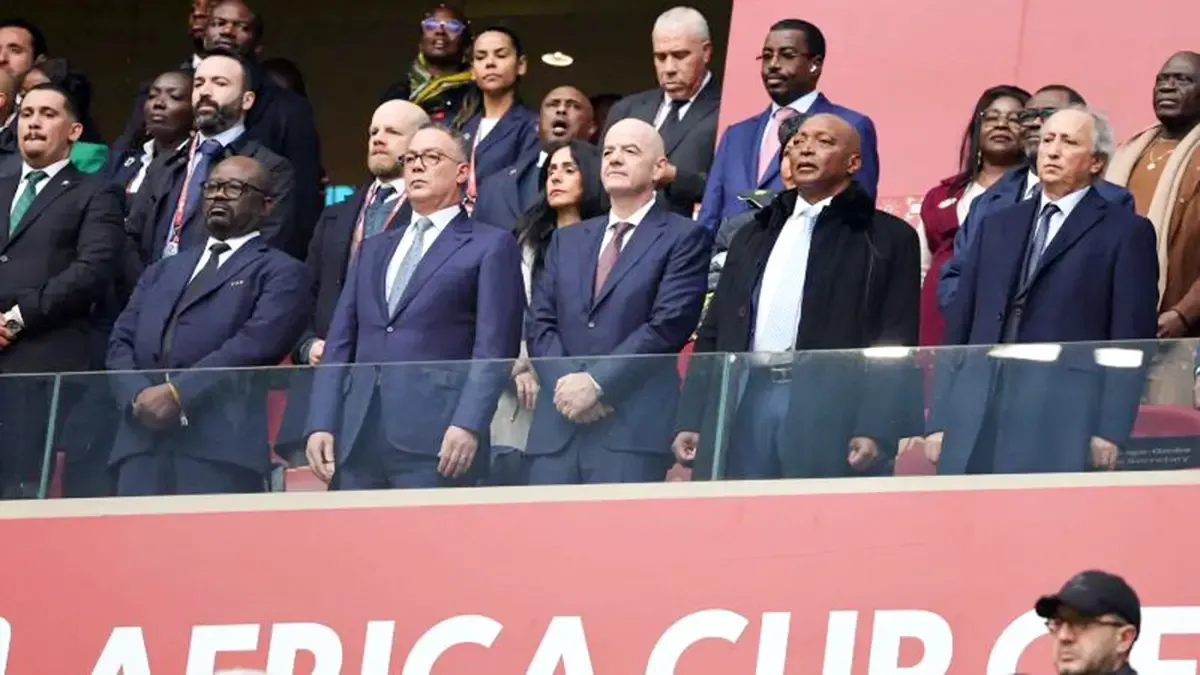
Fouzi Lekjaa has been appointed by King Mohammed VI to lead the Moroccan Organizing Committee for the highly anticipated 2030 World Cup. His distinctive persona, often a subject of debate among Morocco’s neighbors to the east and north, has enabled him to execute the royal strategy with remarkable efficiency, which is acknowledged even by his adversaries more than his supporters. In his role, Lekjaa is not only a prominent figure in sports but also a crucial player in Morocco's sports diplomacy, actively promoting the nation as a prime venue for international football events. Upcoming tournaments such as the 2025 Africa Cup of Nations, the 2029 FIFA Club World Cup, and the 2030 FIFA U-20 World Cup, which Morocco will co-host with Spain and Portugal, highlight the country’s burgeoning reputation in the sporting world.
The Competitive Landscape and Regional Dynamics
The advancements in Morocco's preparations for the World Cup have not gone unnoticed, with Rafael Louzán, the president of the Spanish Football Federation, expressing concerns regarding Spain's bid to host the final match. His apprehension stems from the stark contrast in the operational effectiveness between the Moroccan organizing committee, led by Lekjaa, and Spain’s more fragmented approach, where multiple entities often complicate decision-making processes, resulting in a lack of tangible progress on the ground. This situation is exacerbated by the withdrawal of several Spanish cities, including La Coruña and Málaga, from the hosting bid, raising alarms within the Spanish Federation about the viability of their proposal.
Moreover, Lekjaa's influence extends beyond Spain, stirring suspicion in Algeria, Morocco’s regional rival. The ongoing mega-projects in Morocco—including state-of-the-art stadiums, airports, and high-speed railways—have drawn skepticism from Algerian media, which frequently question the validity and execution of these initiatives, reflecting a peculiar obsession that has become evident in the Arab and Maghreb context. Critics from Algeria particularly highlight Lekjaa’s dual role as a statesman and sports leader, given his close ties with the monarchy and his responsibilities spanning various high-level government positions, including Deputy Minister for Budget, President of the Royal Moroccan Football Federation, and President of the 2030 World Cup Organizing Committee, alongside involvement in significant regional and international bodies such as the African Union and FIFA.
Senegal, too, has felt the ripple effects of Lekjaa's ascendancy, particularly in the wake of the Confederation of African Football's decision that dashed its hopes of retaining the African title. Morocco's adept handling of major continental events showcases its capability to not only host but also excel in competitive football, effectively asserting its dominance in the region. The recent decision to strip Senegal of the 2025 Africa Cup of Nations title, due to procedural compliance and legal adherence, illustrates Morocco’s commitment to upholding standards in sports governance.
The achievements of Morocco on the football field, particularly the historic fourth-place finish by the national team at the 2022 World Cup, have significantly bolstered national pride and garnered widespread admiration across Arab and African nations. This success has led to a collective celebration of Morocco's footballing prowess, with many nations now looking to emulate its model. Egypt, for instance, has expressed a desire to recruit someone of Lekjaa’s caliber to revitalize its national football program, which is currently grappling with infrastructural challenges and declining performance levels.
As reported by atalayar.com.