Strategic Insights into the Future of Food Industries
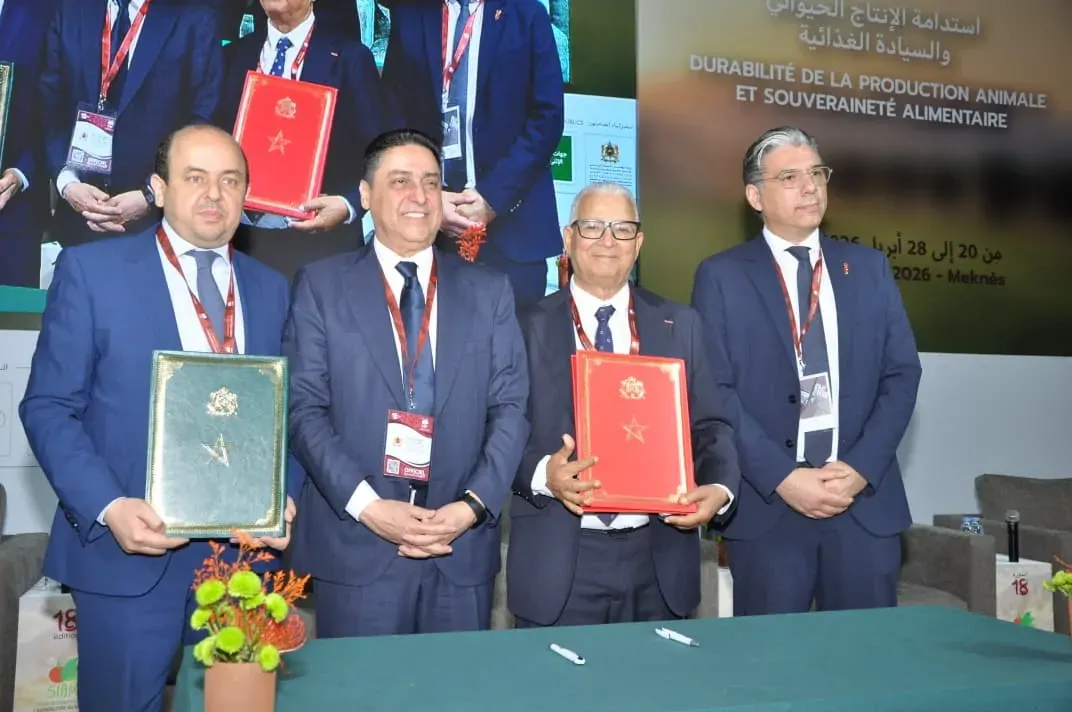
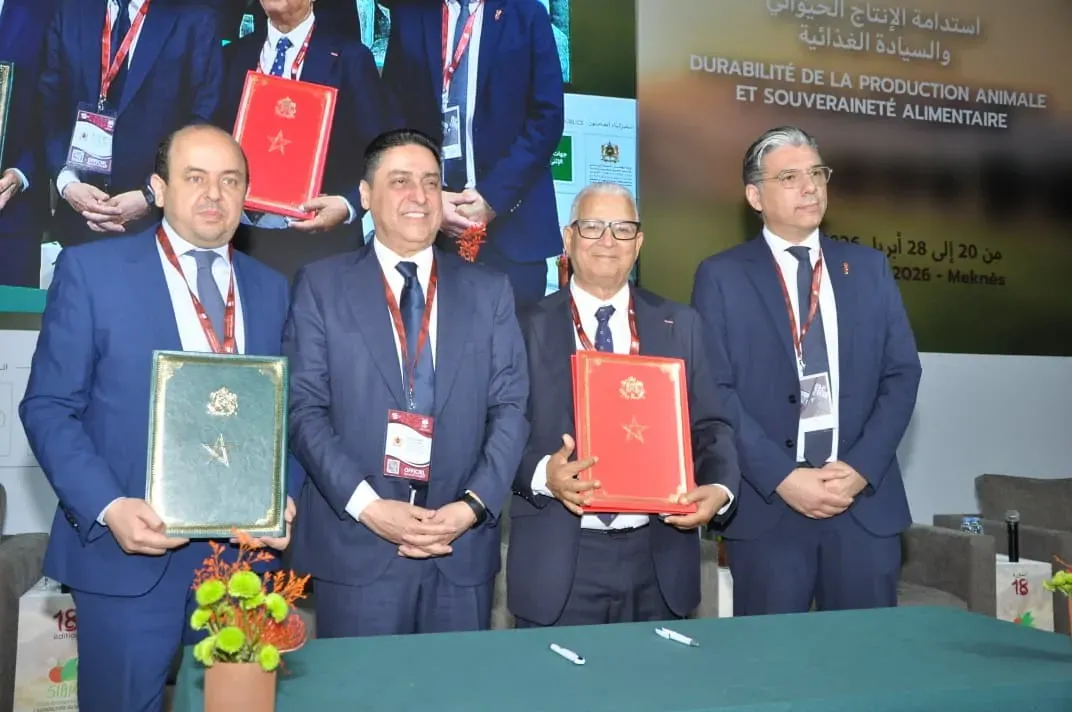
On April 24, 2026, Meknes will host the inaugural "Meknes Agricultural Business Day," an initiative organized by the Fès-Meknès Chamber of Commerce, Industry and Services in partnership with the Regional Economic Forum Foundation. This conference is strategically aligned with discussions about the future of the food industry sector and its developmental prospects, coinciding with the International Agricultural Show in Morocco (SIAM 2026).
This significant event emerges amidst a rapidly evolving landscape characterized by the international agricultural show, which serves as a major continental platform featuring over 1,500 exhibitors and 70 foreign delegations, with expectations to exceed 1.1 million visitors. Such figures underscore Morocco's prominent role as a key player in the agricultural domain and related industries.
Currently, the food industry stands out as one of the vital drivers of the national economy, especially considering the profound transformations affecting production and trade exchanges in a global economy that has become increasingly interconnected and complex. The market dynamics resemble a "small village" where competition accelerates and the rules of engagement are in constant flux.
Enhancing Competitiveness in the Food Sector
In this context, enhancing the competitiveness of the food sector is essential and can be approached through three main axes: improving product quality and production standards, diversifying domestic markets to boost national consumption, and strengthening integration into global value chains. These strategies are designed to elevate export levels and expand the presence of Moroccan products in international markets.
The conference will emphasize the necessity of bolstering exports by leveraging modern technologies in production and marketing, as well as developing innovative support mechanisms for small and medium-sized enterprises and cooperatives, which remain foundational to the agricultural economic fabric.
Moreover, discussions may explore the potential establishment of a consolidation mechanism aimed at standardizing agricultural and industrial offerings by purchasing products from smaller enterprises, while providing support in areas such as quality assurance, marketing, and exporting. This would significantly enhance their capacity to access international markets, particularly within Africa.
Morocco boasts substantial export potential, estimated at around 120 billion dirhams. However, the enhancement of this performance is contingent upon strengthening the export insurance system, improving logistical infrastructures, and adopting a regional export approach that positions regions like Fès-Meknès as active centers in export and distribution processes.
This initiative aligns with strategic directions aimed at supporting productive economies, enhancing food sovereignty, and increasing the added value of local products, with a particular focus on integrating the cooperative economy within production and marketing chains.
Through this initiative, the Fès-Meknès Chamber of Commerce, Industry and Services aims to solidify Meknes’s status as a regional and national hub for agricultural business by fostering extensive discussions among economic stakeholders, decision-makers, investors, and experts regarding challenges related to innovation, financing, marketing, and internationalization.
Thus, the "Meknes Agricultural Business Day" represents a new milestone in establishing the Fès-Meknès region as a promising economic center in food industries and reshaping the contours of its economic model.
As reported by media15.ma.