The world is home to breathtaking bays that showcase the stunning beauty of nature, each with its unique charm and ecological significance. One of the most iconic is the majestic presence of Mount Fuji, which stands guard over Japan's Pacific coast, creating a picturesque backdrop that attracts visitors from around the globe. Similarly, the extensive Atlantic bay in Morocco is renowned for its mild climate year-round, making it a favored destination for tourists seeking sun and relaxation.
In France, the protected natural space in Picardy serves as a sanctuary for migratory birds, promising a rich experience for nature enthusiasts and birdwatchers. Meanwhile, the crystal-clear waters of the Red Sea in southern Israel offer spectacular coral reefs, inviting snorkelers and divers to explore their vibrant underwater ecosystems. Another gem is the unique landscape of Normandy, where extreme tides and the iconic abbey create a captivating scene that reflects the region's historical and cultural significance.
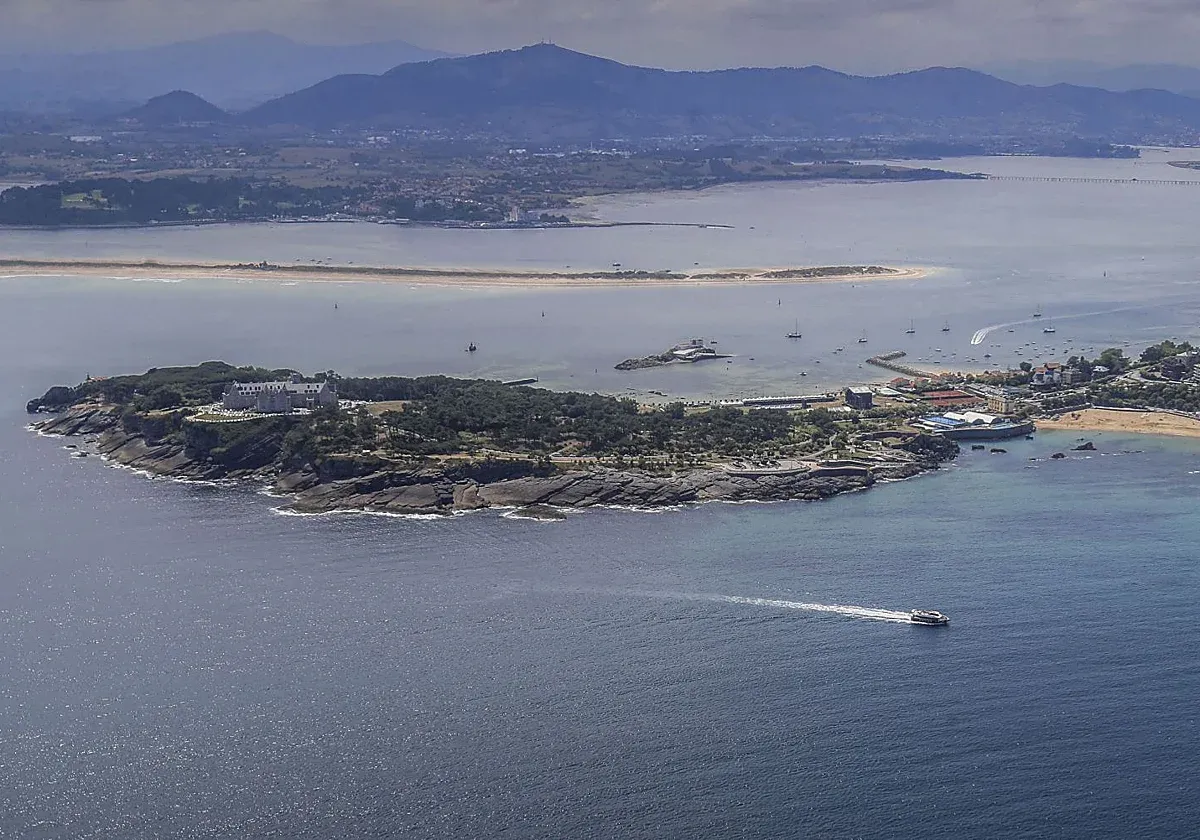
In the Cantabrian region, a beautiful bay harmoniously combines urban vibrancy with stunning beaches and green mountains, alongside a rich historical heritage. On the other hand, Turkey's Aegean coast presents a delightful mix of turquoise waters and a rich historical legacy, making it a perfect spot for those interested in both relaxation and exploration. The French Mediterranean coastline also enchants visitors with its hidden coves and the lush vegetation characteristic of Provence, while Corsica impresses with its pink granite cliffs and spectacular volcanic formations.
The Mediterranean bay in France is steeped in maritime tradition, boasting historic shipyards that echo its long-standing relationship with the sea. Taiwan's archipelago, with its volcanic formations, cliffs, and white sandy beaches, is a paradise for adventurers and beach lovers alike. Brazil, known for its rich biodiversity and wild beaches, offers a unique blend of natural beauty, while the mountainous jungle meets the Pacific coast in Mexico, creating a stunning contrast of landscapes.
In Spain’s Costa Brava, ancient history and rich cultural heritage blend seamlessly with the area's beautiful Mediterranean bays. The natural surroundings near Lisbon are notable for their ecological value, famous for the dolphins that inhabit the waters and the vineyards that dot the landscape. South Korea’s southern coast presents a fascinating combination of islands, urban development, and heritage sites, showcasing the region's rich cultural tapestry.
Senegal's mangrove ecosystems and canals have earned it recognition as a Biosphere Reserve, highlighting the importance of preserving such unique environments. Morocco’s northern Mediterranean enclave, protected within a national park, offers significant ecological value, while the tropical coast showcases diverse marine ecosystems and vibrant mangrove forests.
Quebec, Canada, features a vast bay nestled between New Brunswick and Quebec, rich in marine and coastal biodiversity. The serene banks of the St. Lawrence River in Quebec also provide a peaceful natural setting for those seeking tranquility. In southern Morocco, the Saharan peninsula, nestled between the ocean and a lagoon, serves as a paradise for water sports enthusiasts. Similarly, Martinique’s Caribbean bay boasts a strong cultural identity and a landscape shaped by volcanic activity.
Brittany, France, is sprinkled with countless islands, each offering a wealth of scenic beauty and heritage. Vietnam’s iconic landscape, featuring thousands of karst formations rising from the sea, alongside the renowned port city on Faial Island in the Azores, Portugal, exemplifies the region’s stunning natural beauty. Japan's Nagasaki prefecture is home to an archipelago of lush, vegetation-covered islands, while Amanohashidate is celebrated for its breathtaking views, considered one of Japan’s three most beautiful sights.
France's Atlantic coast is famous for its long stretches of fine sand, recognized as one of the longest beaches in Europe. In contrast, the tranquil and wild alternative to Ha Long Bay in Vietnam offers stunning landscapes. The sandy strip between a lagoon and the South China Sea in central Vietnam exemplifies the country’s natural allure. Urban bays bustling with economic and port activity further illustrate the dynamic interplay between nature and human development.
The French Atlantic coastline serves as a key point for ocean navigation and is home to the Vendée Globe sailing race. In the Caribbean, transparent waters shared between France and the Netherlands create an idyllic setting for relaxation and exploration. The convergence of the St. Lawrence and Saguenay rivers in Quebec is famed for whale watching, making it a sought-after destination for marine wildlife enthusiasts. Lastly, Japan's alpine landscapes descend dramatically to the sea, offering spectacular views of the Japanese Alps that leave visitors awestruck.
As reported by eldiariomontanes.es.