Discovering Jewish History in Morocco
Upon our arrival in Morocco, a wave of anxiety washed over us, compounded by the tumultuous events occurring in Iran and surrounding regions. Questions of safety loomed large in our minds, yet the overwhelming interest in the StandWithUs Jewish Heritage Mission to Morocco quickly dispelled those fears. The mission garnered such enthusiasm that it filled up almost immediately, with many eager participants placed on a waiting list for the next year's journey.
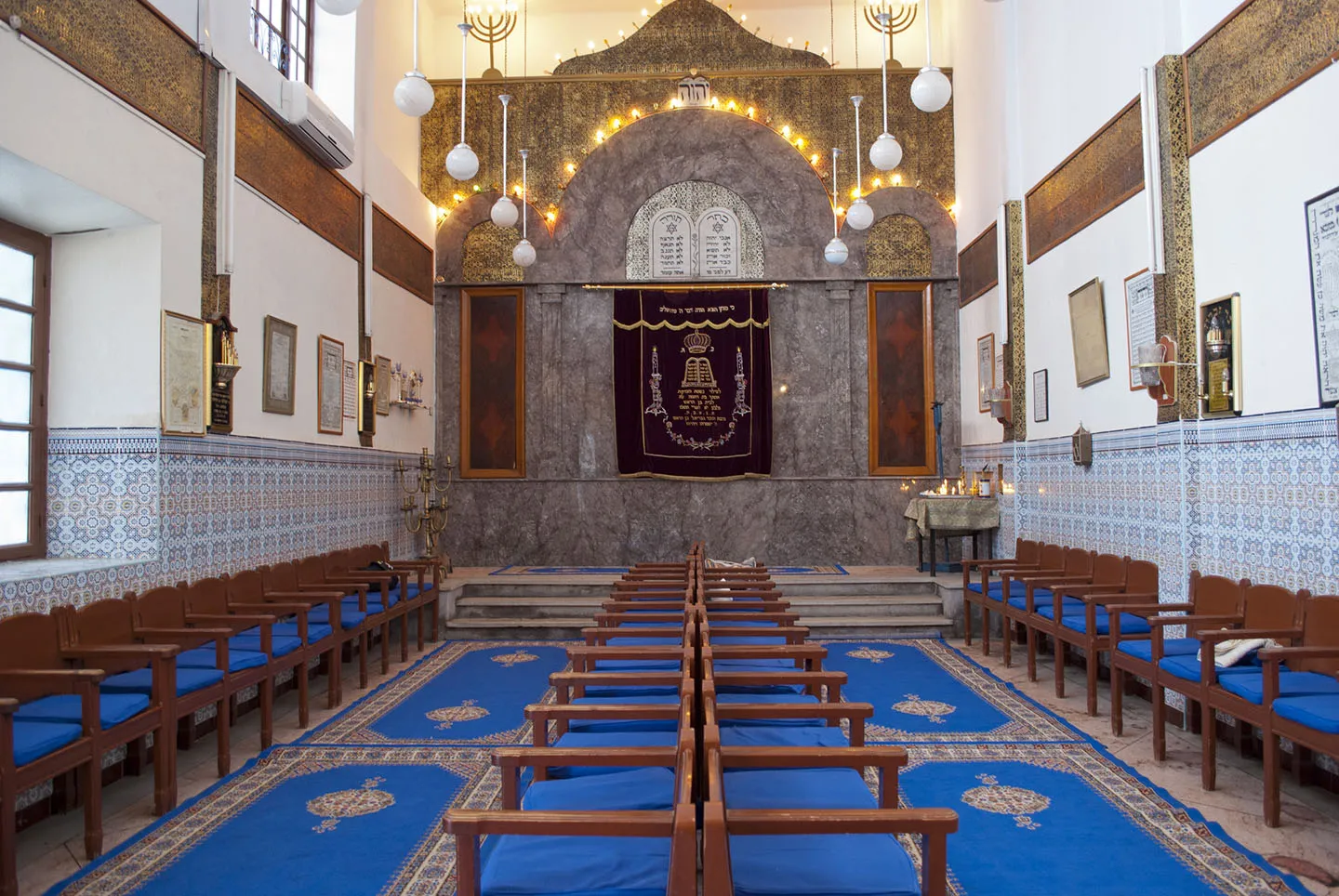
The allure of Morocco is undeniable, particularly the vibrant city of Marrakesh, renowned for its colorful markets, aromatic spices, and delectable couscous. The prospect of staying in luxurious hotels in Fez and Casablanca while delving into centuries of Jewish history was enticing. The itinerary promised visits to active synagogues, prayers at the grave of Rabbi Pinto the Kabbalist, a tour of his synagogue, and interactions with members of the dwindling Jewish community in Morocco.
As our group embarked on this journey, a sense of camaraderie developed rapidly. We were united by a shared purpose: to absorb the rich history of Jews who had called Morocco home for the past 1,800 years. Along the way, we encountered others drawn to this heritage, including a Jewish Heritage mission from New York and a delegation from the Utah Jewish Federation. This culminated in a memorable Shabbat dinner at an active synagogue in Marrakesh, where diverse groups came together to celebrate our shared faith.
The Complex Tapestry of Jewish Existence
To ensure our safety, we employed two bodyguards who maintained close contact with local authorities. Throughout our travels, we were further accompanied by armed Moroccan police officers, providing an additional layer of security. Despite the regional tensions, our experience in Morocco was one of vibrancy, safety, and warmth, thanks in part to our knowledgeable guide, Jacob Shoshan, whose insights opened our eyes to the complex and often tragic history of Jews in this beautiful land.
The Jewish presence in Morocco dates back approximately 1,800 years. At its peak, particularly in 1948, the Jewish population numbered around 250,000, thriving in areas of scholarship, commerce, music, and religious life. Today, however, the community has dwindled to just over 1,000 individuals. Like many Jewish communities across the Arab world, Moroccan Jews faced the challenges of fluctuating political landscapes, enduring periods of coexistence and prosperity, alongside waves of violence, persecution, and forced conversions.
The city of Fez, once a beacon of Jewish learning, witnessed its share of tragedies, including massacres in 1033, where thousands perished at the hands of a Muslim Berber ruler. Over the centuries, Jews endured riots, forced conversions, and violent uprisings that obliterated entire communities. Misunderstandings and accusations often fueled this persecution, reminding us of the precariousness of Jewish existence in times of instability.
Yet, through adversity, the resilience of the Jewish community shone brightly. Time and time again, Jewish families returned to Morocco, reopening businesses and restoring synagogues, determined to forge stable lives while maintaining their cultural identity. Notably, during World War II, King Mohammed V emerged as a courageous figure in the Arab world, resisting Vichy regime pressures and protecting Moroccan Jews from deportation to concentration camps.
The establishment of the State of Israel in 1948 marked a turning point for Moroccan Jews, who increasingly faced hostility and uncertainty. Many were compelled to leave, their departure spurred by fear and the belief that their future in Arab lands was jeopardized. Today, strolling through Morocco evokes a mix of vibrant life and profound loss, with its bustling markets, welcoming hospitality, and stunning architecture juxtaposed against the echoes of a rich Jewish history that permeates the landscape.
This journey was not merely a tour; it was an exploration of the beauty and fragility of Jewish life in exile, a testament to how deeply intertwined Jewish history is with the Moroccan landscape. It served as a poignant reminder of the resilience of a people who, despite enduring loss and hardship, have continually chosen to rebuild, contribute, and thrive. The lessons learned from Morocco extend beyond the narratives of what was lost; they celebrate the enduring spirit of renewal and hope that characterizes the Jewish experience. Indeed, the legacy of Morocco’s Jewish community lives on, with many descendants carrying their vibrant traditions to Israel, where they have significantly influenced the nation’s culture, economy, and spirit.
As reported by jewishjournal.com.