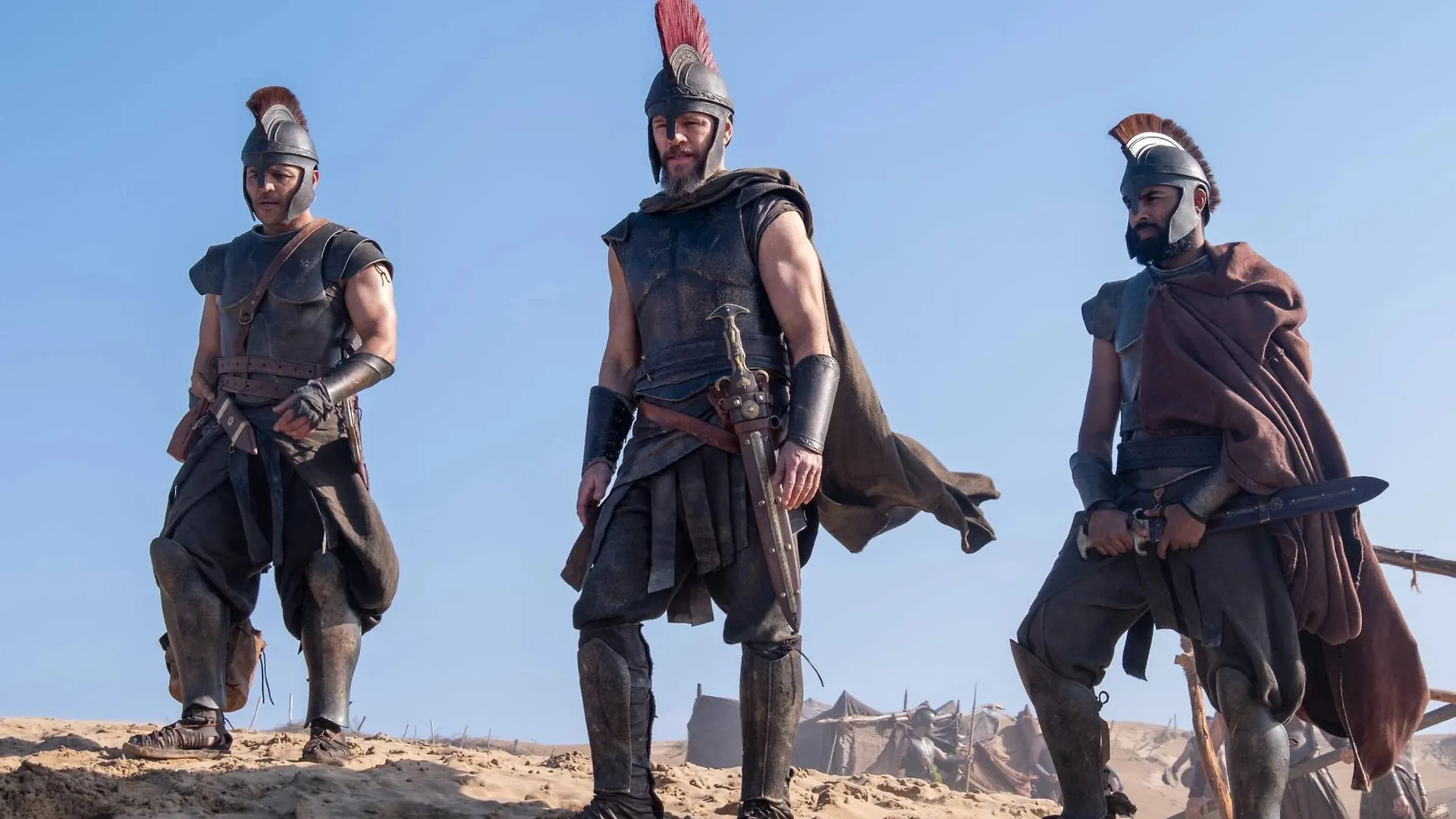
Christopher Nolan's epic film, 'The Odyssey,' promises to be an extraordinary cinematic journey, showcasing breathtaking locations across the globe. This film, featuring a stellar cast including Matt Damon and Zendaya, transports audiences to stunning backdrops in Morocco, Greece, Italy, Iceland, and Scotland, while narrating the adventurous tale of Odysseus's (Matt Damon) perilous return home to Ithaca from Troy. The production spanned an impressive 91 days in 2025, with filming conducted entirely using IMAX cameras, creating an immersive experience for viewers. From the majestic mountains and serene beaches of Iceland to the historic landscapes of Morocco, Nolan's vision brings Homer's epic to life like never before.
One of the most notable filming locations is the island of Favignana in Sicily, which doubles as Ithaca. The palace of Odysseus and Penelope (played by Anne Hathaway) was recreated here, along with iconic scenes shot at the Castello di Santa Caterina, a 15th-century fortress perched atop a hill. The production team faced challenges in reaching the location, often hiking or taking helicopters to capture the stunning vistas that embody the essence of Odysseus’s home. To visit Favignana, travelers can take a ferry from Trapani and choose from various accommodations, including luxurious resorts and charming Airbnbs.
Another significant site is Ait Ben Haddou in Morocco, a UNESCO World Heritage site known for its rich cinematic history, serving as the backdrop for numerous films including 'Gladiator' and 'Game of Thrones.' Here, Nolan constructed a colossal set for the ancient city of Troy, complete with a 14-meter tall Temple of Athena, featuring 2,000 extras to depict the city's dramatic fall. For those looking to explore Ait Ben Haddou, local accommodations such as traditional riads or comfortable Airbnbs are available to enhance the travel experience.
In addition to Troy, the iconic scene of the Trojan Horse was filmed in Essaouira, Morocco, a location that embodies the charm of the Mediterranean. The coastal city, where Odysseus and his crew embarked on their journey home, offers a serene atmosphere complemented by historical significance. Visitors can engage in various activities, including kitesurfing or exploring the vibrant medina. Essaouira also features its own airport, making it accessible for travelers from across Europe.
For fans of Greek mythology, the cave of Polyphemus was filmed in Messenia, Greece, specifically in the cave of Nestor, which carries a rich mythological background. Although the cave itself is not open for public visits, the surrounding areas are steeped in history and beauty, making it a worthwhile destination for travelers interested in both culture and mythology. The nearby village of Pylos serves as an excellent base for exploring this scenic region of the Peloponnese.
In Scotland, several key scenes were filmed in the Culbin Forest, where Odysseus encounters the fearsome Laestrygonians. This enchanting woodland landscape, situated along the Moray Firth, offers visitors a chance to explore the natural beauty of Scotland while staying in charming accommodations in nearby fishing villages. Likewise, the castle of Findlater served as the backdrop for Circe’s cabin, where the witch raises her pigs. Visitors can hike the scenic coastal paths or explore the quaint village of Cullen, famous for its culinary delights.
Lastly, Hjörleifshöfði in Iceland was transformed into the Underworld (Hades) for the film. The desolate yet captivating landscapes provided the perfect setting for Odysseus's descent into the afterlife. Adventurous visitors looking to retrace these footsteps will need a vehicle to navigate the beautiful yet remote terrains surrounding Landeyjahöfn, where the filming took place. Accommodations in this area may be limited, but the breathtaking surroundings make the journey worthwhile.
As reported by timeout.es.