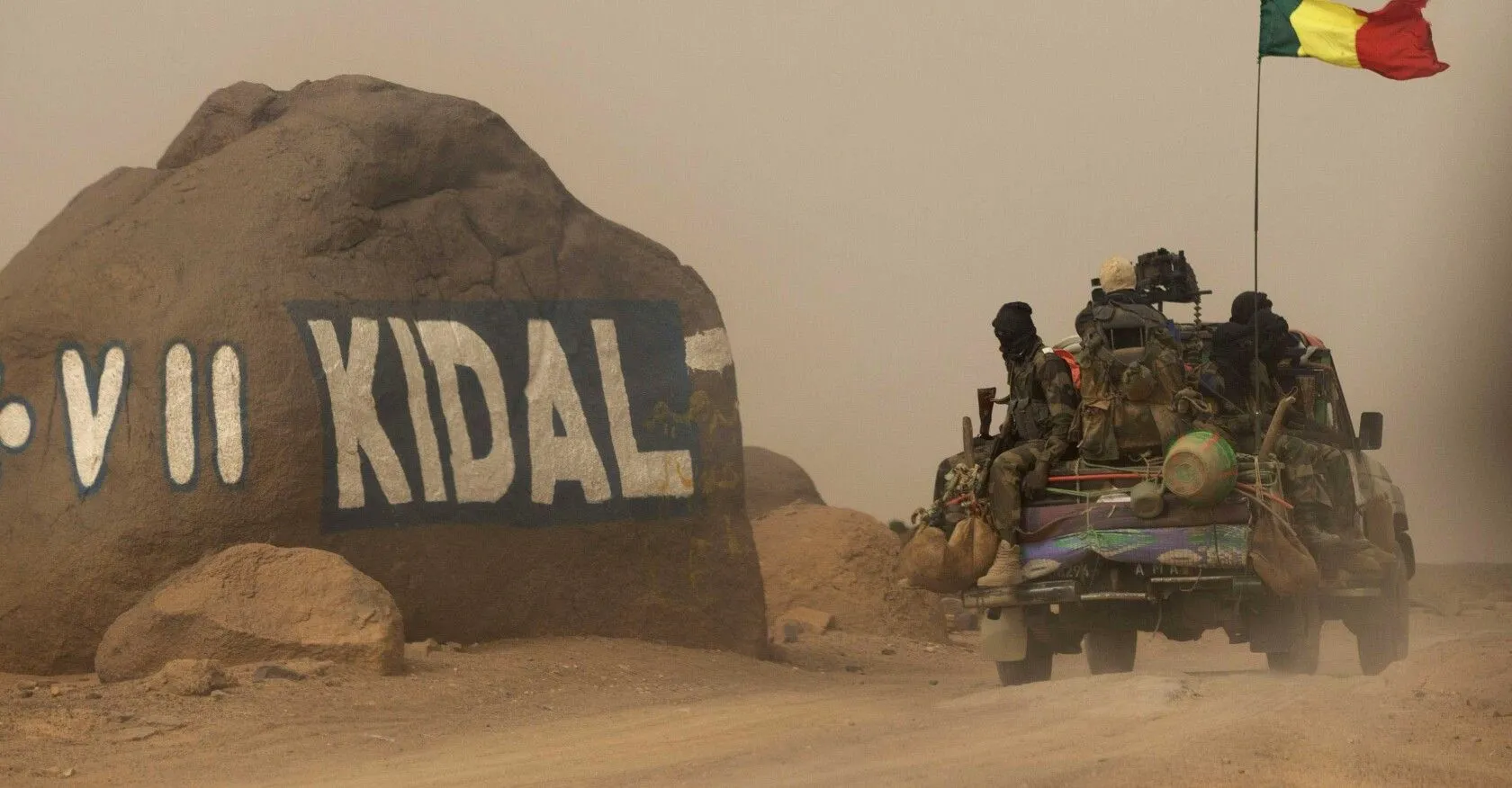
The situation in Mali has spiraled into chaos as coordinated attacks erupted on April 25, 2026, marking an unprecedented level of security uncertainty since the onset of military transition in the country. Reports from leading international news agencies, including Associated Press and Reuters, indicate that a series of exceptionally large terrorist attacks simultaneously targeted several critical locations across the nation. Intense fighting broke out at dawn in Bamako and the strategically significant city of Kati, the military power center of Mali. This coordinated assault did not stop at the capital; it extended to areas such as Gao, Sévaré, and Kidal, where the Front for the Liberation of Azawad claimed control over key positions. This show of strength from armed groups comes at a time when the nation is already trapped in a stifling economic siege led by the GSIM (Support Group for Islam and Muslims), a jihadist organization operating in the Maghreb and West Africa, further intensifying the pressure on a civilian population already suffering from fuel and electricity shortages.
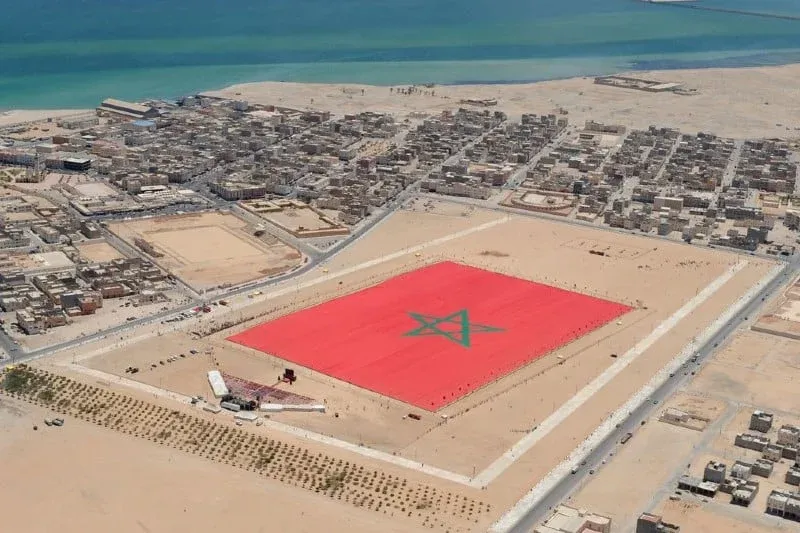
This sudden resurgence of violence appears to be closely linked to a significant geopolitical shift that occurred just two weeks prior. On April 10, 2026, the Malian government officially withdrew its recognition of the self-proclaimed Sahrawi Arab Democratic Republic (SADR), as declared by the Polisario, choosing instead to align with Morocco's stance by supporting the autonomy plan for the Sahara. This historic decision marked a definitive break with the traditional diplomatic axis imposed by Algeria, ending decades of complacency towards separatist claims. For many regional observers, this Malian diplomatic boldness was perceived by the Algerian junta as an intolerable affront and a direct challenge to its influence in the Sahel.
The April 10 decision not only isolated the Polisario's phantom entity on the African stage but also solidified a strategic partnership between Bamako and Rabat, depriving Algeria of one of its historical levers of influence in the region. In this context of extreme tensions, Algeria's involvement in the current destabilization of Mali is increasingly seen as a credible hypothesis by regional experts. Relations between the two nations had already significantly deteriorated following Mali's abandonment of the Algiers agreements, with Bamako openly accusing its northern neighbor of harboring and supporting rebel leaders on its territory.
The simultaneous terrorist attacks on April 25, occurring precisely when Algeria appears to be seeking to punish Mali for its alignment with Moroccan national interests, suggest a carefully orchestrated retaliation. By allowing the armed groups and militias it influences to intensify their pressure on General Assimi Goïta's regime, Algeria seems intent on demonstrating that any departure from its sphere of influence will come at the cost of widespread security chaos. This strategy of tension highlights Algeria's determination to maintain Mali under its tutelage, using instability as a diplomatic weapon against a state that has chosen to assert its sovereignty by rejecting the fictitious entities supported by its neighbor.
As reported by maroc-hebdo.com.