Strategic Implications of the UAE's OPEC Withdrawal for Morocco
Dr. Mehdi Qil, a professor specializing in economics and management, has emphasized that the significance of the United Arab Emirates' (UAE) decision to withdraw from the Organization of the Petroleum Exporting Countries (OPEC) extends beyond immediate impacts. Instead, it opens up strategic opportunities for Morocco, particularly in terms of potentially lowering energy costs if oil prices decline, deepening partnerships with the UAE, and enhancing the country’s energy security in the medium term.
In a statement to "Al Omk," Qil highlighted that Morocco should leverage its positive relationship with Abu Dhabi to create a more robust energy security framework. He noted that economic ties between Morocco and the UAE are experiencing significant growth, with both nations aiming to significantly increase trade and investment exchanges in the upcoming years. This growth is particularly relevant in strategic sectors including energy, renewable resources, logistics, infrastructure, food security, and innovation.
Qil believes that Morocco has the potential to shift from merely being a passive recipient of market fluctuations to becoming a strategic actor in the energy sector. This shift can be achieved by diversifying its partnerships, especially in light of potential opportunities for negotiating long-term supply arrangements, investing in storage capabilities, and financing clean energy projects. Such initiatives would enable Morocco to build a more resilient partnership that is less susceptible to price volatility.
The Broader Context of the UAE's Energy Strategy
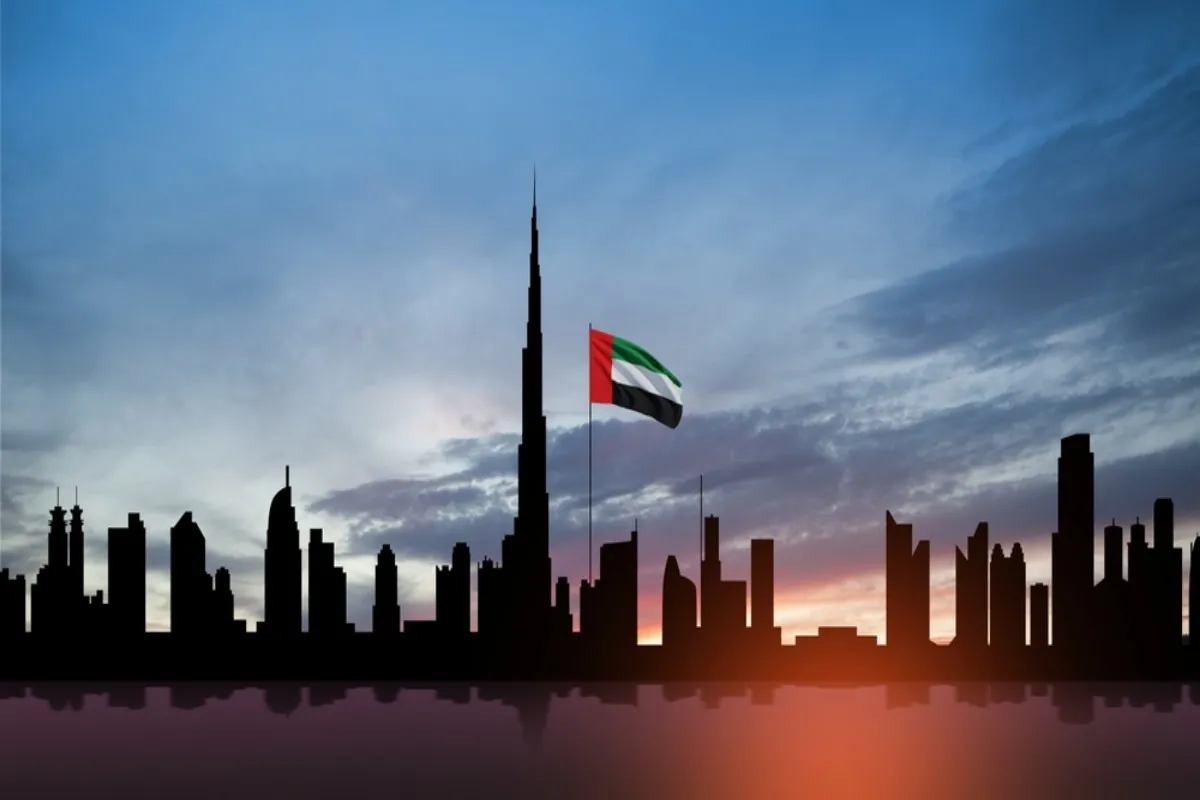
Qil further elaborated that the UAE's exit from OPEC and the OPEC+ alliance beginning May 1, 2026, should not merely be viewed as an administrative decision but rather as a strategic shift in Abu Dhabi’s positioning within the global economy. This decision was articulated in a formal UAE statement as part of a comprehensive review of production policies and current and future capacities, aligned with a long-term economic vision to achieve greater flexibility in responding to market dynamics while maintaining a commitment to energy market stability.
The significance of this decision is magnified by the UAE's weight within OPEC, where it ranks as one of the largest producers. Prior to the withdrawal announcement, the Associated Press identified the UAE as the third-largest producer within OPEC. Over recent years, Abu Dhabi has adopted an ambitious energy policy aimed at expanding production capacity, enhancing the competitiveness of Emirati oil in terms of cost, and linking oil and gas investments with the development of renewable energy and low-carbon solutions.
From an economic perspective, Qil explained that this move aligns with the logic of a state aiming to free itself from production quota constraints when they no longer align with national interests. The equilibrium within OPEC+ has historically involved balancing collective interests in regulating supply and supporting prices against national interests of maximizing revenues and maintaining market share. This balance makes collective restrictions less appealing to a country that is heavily investing in increasing its production capacity.
Strategically, this decision also plays into a broader narrative of strengthening the position of the UAE dirham, not by directly competing with the dollar, but through reinforcing the foundations of a real economy characterized by economic diversification, energy surpluses, investment confidence, and the capacity to convert oil resources into long-term investments. This trend is further supported by the recent spike in oil prices, with Brent crude exceeding $111 per barrel, reaching its highest point since March 2026, thus providing the UAE with additional leeway to reposition itself in the global market.
Regarding the timing of this decision, Qil noted its connection to a critical phase in the oil market, where geopolitical disturbances, particularly in the Gulf region and the Strait of Hormuz, are supporting short-term prices against the backdrop of potential downward pressure in the medium to long term due to increased supply or slowing demand.
He outlined three possible scenarios following the decision: the first scenario, termed 'cooperative balance,' envisions the UAE gradually increasing its production without aggressive responses from OPEC, potentially stabilizing the market and reducing energy costs for importing countries, including Morocco. The second scenario, 'competitive balance,' anticipates some producers entering a race to boost output to maintain their market shares, which could exert downward pressure on prices, although the UAE may be better equipped to weather this situation compared to higher-cost producers. The third scenario, 'geopolitical shock,' suggests that supply disruptions could overshadow all calculations, making energy security for importing countries contingent not just on prices, but also on supply availability and a diversification of partners.
In conclusion, Qil asserted that the UAE's departure from OPEC and OPEC+ signifies its transition from being a compliant member within a petroleum bloc to an independent player aiming to maximize its competitive advantages in a rapidly changing international energy landscape. He emphasized that Morocco's challenge lies in capitalizing on this transformation to build more flexible partnerships and enhance its energy security in the medium and long term.
As reported by al3omk.com.