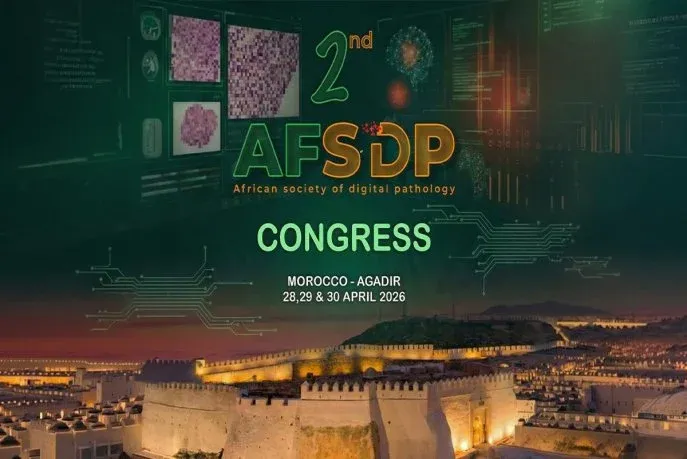
Overview of Digital Pathology in Africa
The digital transformation of pathology across Africa is undergoing varied progress depending on the country, yet it universally holds the promise of bridging healthcare gaps while enhancing the quality and speed of diagnostics. As highlighted in a recent conference held in Agadir from April 28 to 30, 2026, stakeholders are recognizing the potential of digital pathology to revolutionize healthcare access, reduce diagnostic delays, and establish telepathology networks across the continent. This event is not merely a gathering; it serves as a significant catalyst for deep-seated change, where Africa is not just following the global medical revolution but actively participating with its own solutions, talents, and aspirations.
In Senegal, digital pathology is emerging through academic and international collaborations, connecting Dakar with foreign expertise, particularly in oncology. However, the nation still faces substantial challenges, particularly in strengthening its digital infrastructure and providing adequate training. Conversely, Egypt stands at the forefront of this transformation, boasting a well-structured medical ecosystem and substantial investments in digital health. The Egyptian government plays a pivotal role in driving national programs and fostering ambitious public-private partnerships, with several universities already experimenting with digital pathology and artificial intelligence in oncology, positioning the country as a leader in Africa.
Challenges and Opportunities in Digital Pathology
While the digitalization of pathology in Ethiopia is gaining momentum through international collaborations, the nation is still grappling with a severe shortage of pathologists. Telepathology emerges as a strategic solution to tackle this issue. In Libya, however, political instability is hindering progress, with initiatives remaining fragmented and the establishment of a cohesive national network being a significant challenge. In Morocco, the state is increasingly recognizing the strategic importance of digital pathology, evidenced by the Ministry of Health's involvement in modernizing diagnostic infrastructure and launching telepathology networks. Ambitious pilot projects are underway to decrease diagnostic turnaround times and address the shortage of specialists, exemplified by innovative players like DataPathology, which aims to integrate data, imaging, and artificial intelligence in diagnostics.
This digital transformation is not just a technological advancement; it represents a concrete response to disparities in healthcare access, a lever for precision medicine, and an opportunity to build a connected and collaborative African healthcare system. Despite the numerous obstacles, such as limited infrastructure, financial challenges, and a lack of trained personnel, Africa holds a strategic advantage in potentially bypassing outdated systems. Countries can directly adopt modern, flexible digital solutions. Ultimately, the ongoing discussions and initiatives surrounding digital pathology in Africa are paving the way for a future where healthcare is more equitable, efficient, and attuned to the continent's unique needs.
As reported by quid.ma.