Cancellation of the New Bus Station Project in Fez Following Extensive Debate
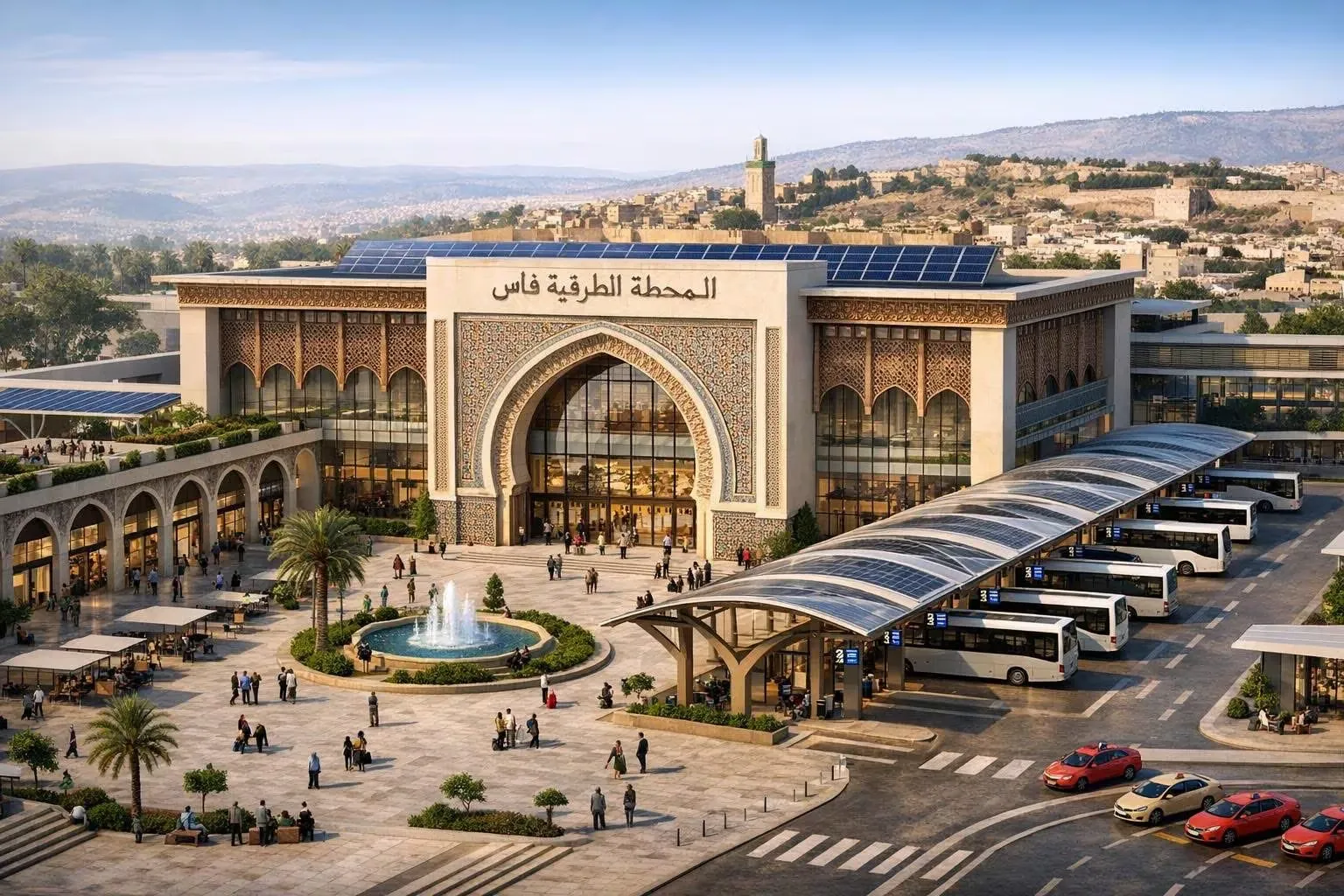
Amid a swirl of controversy surrounding the proposed construction of a new bus station outside the urban jurisdiction of Fez, specifically in the Ain Chkef area, local authorities have made the decision to cancel the project. This decision follows significant discontent expressed by residents and professionals since its approval during an extraordinary session of the municipal council. The new facility was initially intended to serve as a replacement for the existing Bab Boujloud bus station.
According to reliable sources, this cancellation was influenced by several technical and financial considerations, chief among them being the project's high costs. The complexities involved in land expropriation and compensation for property owners were significant hurdles. Additionally, the project faced challenges related to its nature as a public service aimed at the city of Fez while being situated outside its territorial limits, specifically in the Moulay Yacoub region, on land belonging to a rural community. This raised questions about governance and management, particularly given the geographical distance from most neighborhoods in the city, which would have resulted in increased travel and financial burdens for users of the new bus station.
Furthermore, the widespread rejection voiced by professionals, alongside the concerns of the local population, heavily influenced the decision to abandon the project to avoid potential delays or failures. The mayor of Fez attributed this retraction to various technical and financial difficulties that impeded its execution at the proposed site. He confirmed that efforts are underway to identify an alternative urban location within the city to accommodate this vital facility.
This project had previously sparked intense debate within the municipal council, where opposition groups expressed their disapproval of the chosen location and the management of the project. Despite criticisms regarding the limited discussions and insufficient transparency regarding the project's details, the majority coalition remained adamant about pushing the agreement forward.
In light of these events, local stakeholders have raised concerns about the prudence of investing time and financial resources into a project that exhibited clear indicators of site incompatibility. They argue that future initiatives should adopt a more pragmatic approach in selecting project sites, ensuring they effectively meet community needs and expectations.
As reported by ar.le360.ma.