Contrasting Responses to Terrorism in Mali
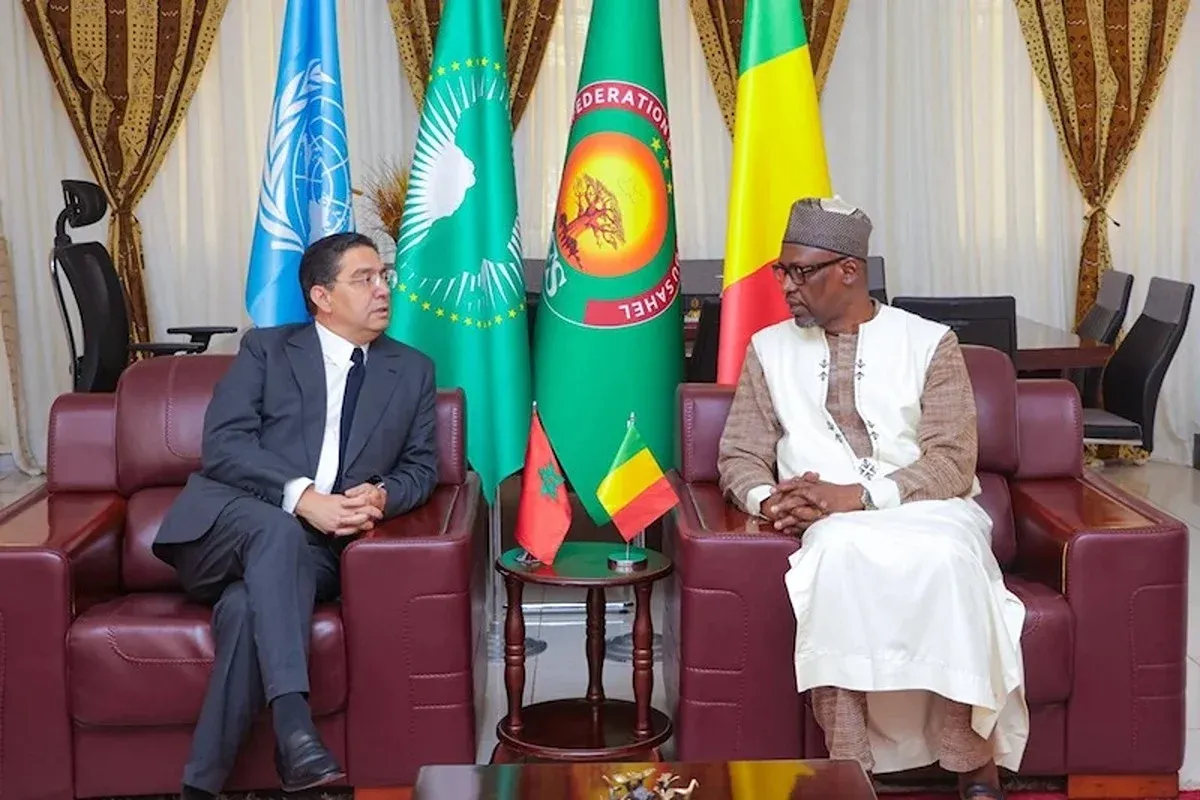
In the wake of recent assaults carried out by the Support Group for Islam and Muslims, a faction associated with Al-Qaeda in the Sahel, Morocco has unequivocally reaffirmed its longstanding diplomatic stance. These attacks, which occurred on Saturday and targeted Malian army positions in regions such as Kidal, Gao, and Sévaré, were met with a robust condemnation from the Moroccan government. A diplomatic source emphasized Morocco's unwavering support for the Malian state, its institutions, and its people, highlighting the nation's commitment to maintaining stability and territorial integrity in the region. This clear denunciation of terrorism establishes Morocco's position: the sovereignty of nations is inviolable, and the fight against terrorism is non-negotiable.
Morocco's response extends beyond mere condemnation; it actively supports Malian authorities in their ongoing battle against terrorism and separatist movements, both within Mali and across the broader Sahel region. This approach aligns with the foreign policy articulated by Morocco's Minister of Foreign Affairs, Nasser Bourita, who, during a June 2024 meeting in Rabat with Burkina Faso's foreign minister, stated that Morocco does not seek to impose lessons on Sahelian nations. Instead, it offers a collaborative and supportive approach, focusing on sharing expertise rather than meddling in the internal affairs of neighboring states.
Algeria's Media Offensive
In stark contrast, Algeria has seized the opportunity presented by these attacks to launch a media offensive against the Malian government. Allegations have surfaced accusing Algeria of providing support to armed movements in northern Mali, facilitated by a shared border exceeding 1,300 kilometers. This coordinated media campaign portrays Mali as a weakened state, struggling with flawed leadership and on the brink of collapse. Such narratives have been bolstered by digital platforms sympathetic to separatist agendas in both southern Morocco and northern Mali.
The media rhetoric from Algeria is symptomatic of a deteriorating political relationship with Mali, particularly since the Malian government, led by General Assimi Goïta, announced its intention to withdraw from the 2015 Alger Accord, which was designed to address issues with armed groups in the north. Algeria viewed this accord as a critical tool for regional influence and was displeased with Mali's decision, especially as it sought to fill the vacuum left by France's military withdrawal from Mali in August 2022. Algeria has since cautioned against the security implications of Mali's pivot towards new partnerships outside the Algerian framework.
Analysts suggest that Algeria's difficulty in accepting the autonomy of historically influenced nations, particularly those sharing extensive borders with it, has fueled an escalation in media campaigns aimed at undermining the Malian authorities. These efforts include disseminating rumors and exaggerating military casualties, thereby contributing to a climate of instability. This stance is part of broader regional changes, including the strengthening ties between Morocco and Mali, highlighted by Mali's withdrawal of recognition for the self-proclaimed Sahrawi Arab Democratic Republic and its shift toward a more robust partnership with Rabat.
In summary, the current dynamics surrounding the attacks in Mali reveal not just a military confrontation but also a deeper political struggle among regional players. Morocco's constructive approach contrasts sharply with Algeria's adversarial stance, highlighting the divergent pathways these nations are taking as they navigate complex regional challenges. As the situation unfolds, it remains clear that the regional implications of these conflicts extend far beyond Mali's borders, shaping the future of security and cooperation in the entire Sahel region.
As reported by fr.hespress.com.