Commemorating the Marrakech Declaration's Impact
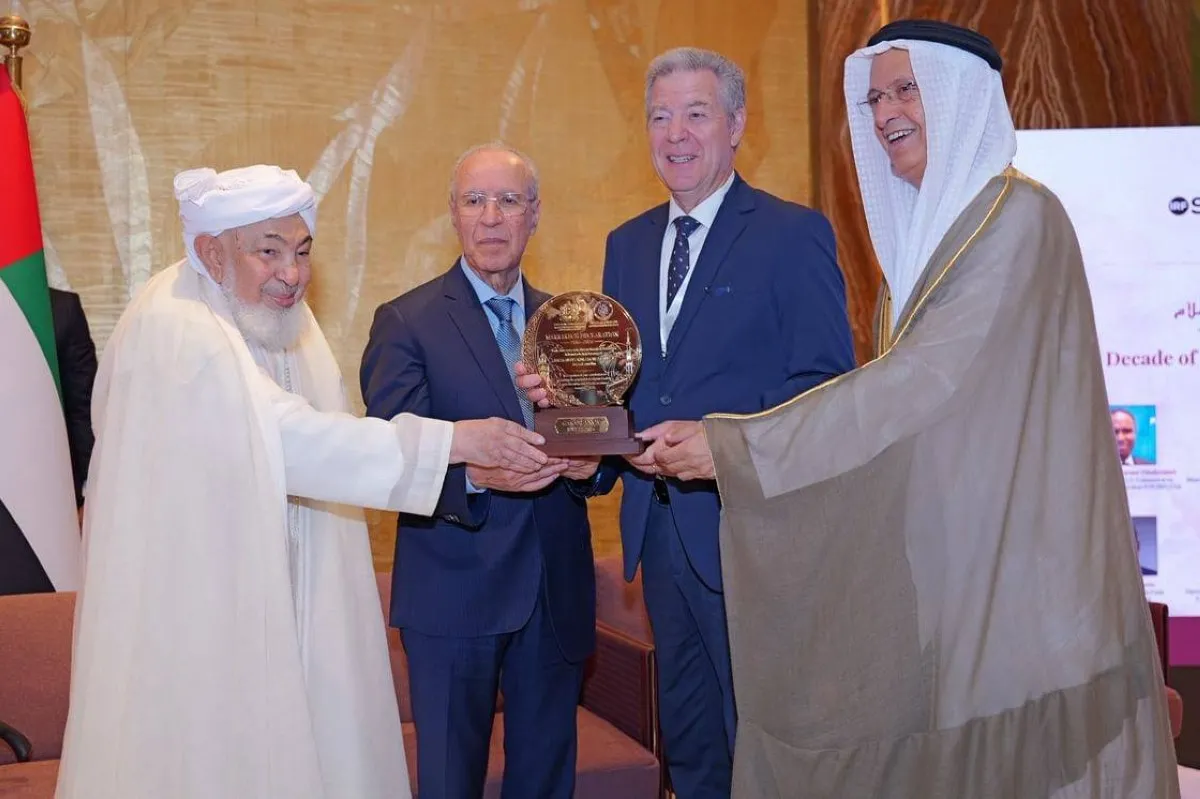
The Abu Dhabi Forum for Peace recently celebrated the tenth anniversary of the historic "Marrakech Declaration on the Rights of Religious Minorities in the Islamic World" in Casablanca, Morocco. This significant event was held in collaboration with the Moroccan Ministry of Endowments and Islamic Affairs, drawing participation from a diverse array of attendees, including religious leaders, scholars, diplomats, decision-makers, and representatives from international institutions and civil society across various nations. The event underscored the ongoing relevance of the Marrakech Declaration, which has garnered sustained attention from entities concerned with religious freedom through successive American administrations, as evidenced by the presence of three former U.S. ambassadors-at-large for international religious freedom.
Reflections on Ten Years of Progress and Challenges
The celebration featured numerous speeches and discussions that highlighted the intellectual, institutional, and practical impacts of the declaration over the past decade. Honoring individuals who have promoted its principles, the forum sought to enhance its presence in international arenas and convert its concepts into actionable initiatives within the realms of citizenship, coexistence, and religious freedom. During his address, His Excellency Sheikh Abdullah bin Bayyah, President of the Abu Dhabi Forum for Peace, emphasized the dual nature of this anniversary—both a moment of celebration and a time for critical evaluation. He recalled the gathering of over 250 scholars, thinkers, and religious leaders in Marrakech in 2016, who laid the groundwork for this important declaration.
Sheikh Abdullah elaborated on the declaration’s foundational roots in the noble prophetic tradition of the "Constitution of Medina," which articulates that inclusive citizenship is essential for the harmonious coexistence of contemporary Muslim societies. He highlighted the inherent obligation within Islamic law to protect the rights of religious minorities, commending the esteemed support of King Mohammed VI of Morocco under which the founding conference was convened. The unwavering support from the United Arab Emirates has been pivotal in transforming the declaration from abstract ideas into impactful programs. As we mark this decade of the Marrakech Declaration, it is crucial to acknowledge that without the steadfast backing of His Highness Sheikh Mohammed bin Zayed Al Nahyan, President of the UAE, and the guidance of His Highness Sheikh Abdullah bin Zayed Al Nahyan, Deputy Prime Minister and Minister of Foreign Affairs, such initiatives would not have come to fruition.
Throughout the past ten years, the Marrakech Declaration has become a reference point in international discussions surrounding citizenship and religious freedom, featuring in the final communique of the 13th session of the Organization of Islamic Cooperation in Istanbul in 2016. It has received acclaim from figures such as the late Pope Francis and the former U.S. President, while also being incorporated into academic curricula and translated into multiple languages. The declaration has inspired a series of initiatives that echo its spirit, including the "American Peace Caravan," the "New Covenant of the Virtuous," and the "Abu Dhabi Declaration on Comprehensive Citizenship," among others, which strive to rectify misconceptions and expand opportunities for dialogue and cooperation among different faith communities.
Morocco’s Minister of Endowments and Islamic Affairs, His Excellency Dr. Ahmed Toufiq, reiterated that Islam, from its inception, has established clear principles based on accepting diversity, promoting constructive dialogue, and upholding the principle of no compulsion in religion. He referred to a royal message addressed to the founding conference of the Marrakech Declaration, emphasizing that religious guidelines should align with civilized behavior that actualizes the objectives of shared living. Additionally, the UAE Ambassador to Morocco, His Excellency Saeed Ahmad Al Dhaheri, described the Marrakech Declaration as a global beacon for tolerance and coexistence, affirming that Moroccan-Emirati relations extend beyond traditional partnerships to a shared vision that recognizes the importance of intellectual security and the roles of culture and religion in safeguarding societies against extremism and isolation.
In a video message, Reverend Bob Roberts Jr., founder of the "Multi-Faith Neighbors Network," praised the Marrakech Declaration, stating, "I have attended many gatherings focused on peace, coexistence, and human rights, and I can say unequivocally that no document matches the Marrakech Declaration in significance." He noted that initiatives inspired by the declaration have expanded the network's activities across 25 cities in the United States and 15 countries, leading to peace missions, humanitarian efforts, and leadership training programs to foster inter-community connections. He assured that the declaration will continue to influence how people of different faiths coexist for many years to come.
Dr. Mohamed Sanousi, a member of the Forum's Board of Trustees, attributed the broad international acceptance of the Marrakech Declaration to several factors, including its grounding in universally acknowledged principles, substantial institutional support from the UAE, royal patronage from King Mohammed VI, and the scholarly leadership of Sheikh Abdullah bin Bayyah. The event concluded with a reaffirmation that the Marrakech Declaration has evolved into a sustainable civilizational project, calling for a strategic action plan for the next decade that transitions from merely promoting its principles to expanding its practical applications. This includes integrating citizenship and coexistence values into educational curricula, designing training programs, developing public policies, and empowering young religious and community leaders to be ambassadors for a culture of peace and shared living.
As reported by albayan.ae.