The presence of cadmium, a toxic metal that has historically escaped significant scrutiny, is now emerging as a severe public health concern in France. This heavy metal is insidiously infiltrating the diets of the French populace through staple foods such as bread, breakfast cereals, pasta, and potatoes, with alarming implications for health and well-being. According to a recent report by the French health and food safety agency ANSES, nearly half of the French population is exposed to cadmium levels that exceed recommended limits, putting women and children at particularly high risk. The study highlights that contamination rates in France are three to four times higher than those in most other European nations, with food being the primary source of exposure, accounting for up to 98% of cadmium intake among non-smokers.
Urgent action is needed to tackle this crisis, which has been largely overlooked by French authorities despite the numerous warnings issued by health professionals and scientists. These experts have raised concerns about the rising incidence of diseases such as pancreatic cancer and other health issues linked to cadmium exposure. The consequences of this negligence are dire, as cadmium is classified as a proven carcinogen by the International Agency for Research on Cancer and is recognized by the European Union as harmful to reproductive health.
In June of last year, a coalition of French doctors reached out to key government officials, including the Prime Minister, emphasizing that unchecked cadmium exposure represents a "public health time bomb." Cadmium accumulates in vital organs such as the kidneys, liver, pancreas, and lungs, leading to serious health complications. Dr. Pierre Souvet, a cardiologist and president of the French Association for Health and the Environment, elaborated on the health risks, stating that exposure can result in neurological and reproductive disorders, heightened cardiovascular risks, and increased cancer susceptibility, particularly for pancreatic and lung cancer. Furthermore, cadmium can displace essential minerals in the body, making women and children especially vulnerable to deficiencies in iron and calcium.
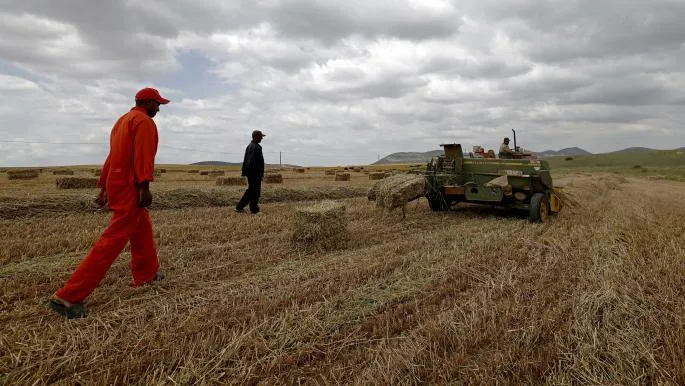
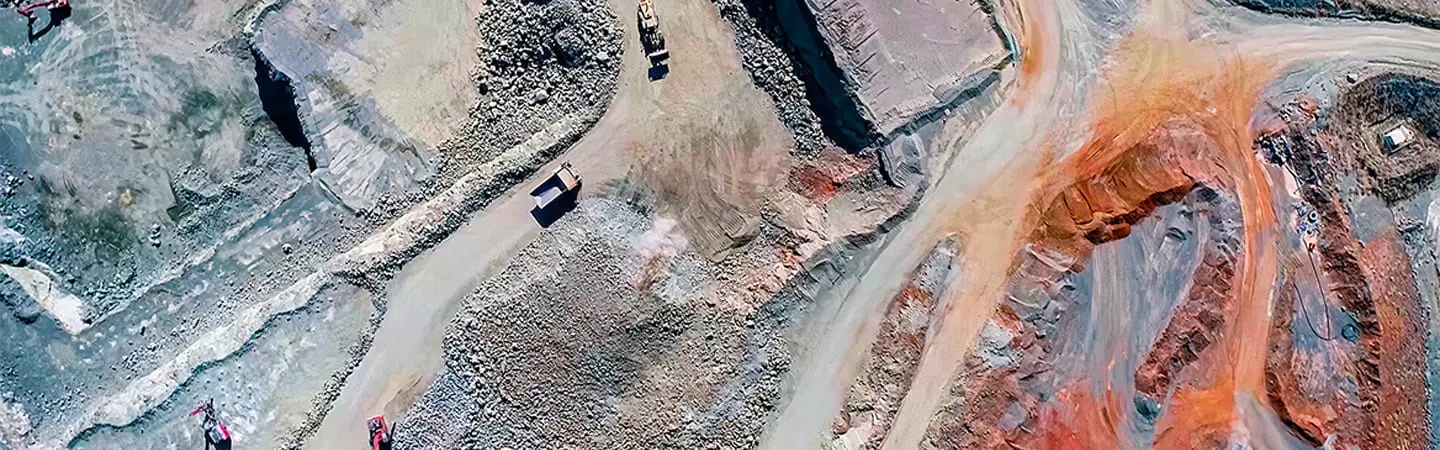
While cadmium naturally occurs in the environment, human actions, particularly agricultural practices, have exacerbated its concentration in soil. The widespread use of phosphate fertilizers, many of which are imported from countries like Morocco and Tunisia—regions where phosphate deposits are rich in cadmium—has contributed to the contamination of French soils. The regulations concerning cadmium levels in fertilizers in France are not as stringent as those in other European nations, allowing for higher concentrations that pose significant health risks. ANSES has been sounding the alarm about the dangers of cadmium exposure for the last 15 years, consistently urging the government to lower the permissible limits in fertilizers. However, discussions to address this issue have failed to gain traction, with current proposals suggesting a target date of 2038 to meet ANSES recommendations—an excessively long timeline criticized by health advocates as "criminal."
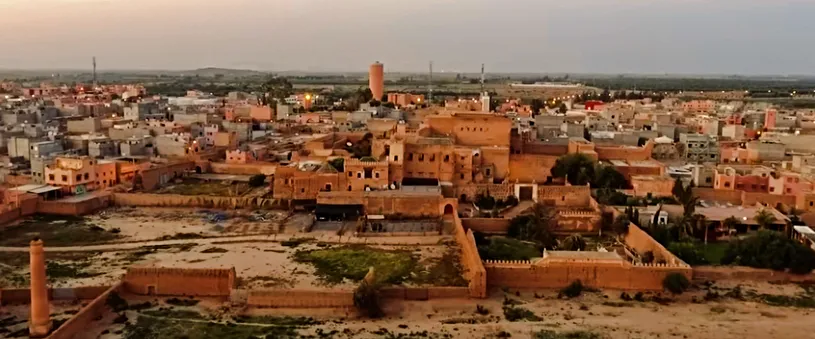
The roots of France's reliance on cadmium-rich fertilizers can be traced back to its colonial history, where phosphate mining in North Africa was a significant aspect of agricultural development. The Office chérifien des phosphates (OCP), a Moroccan state-owned entity responsible for phosphate extraction, has historical ties to the colonial era and continues to play a pivotal role in the global phosphate market. This longstanding relationship complicates efforts to reduce cadmium levels in fertilizers, as geopolitical considerations and economic dependencies further entrench these practices.
Recently, heightened scrutiny has been placed on France's financial ties to the Moroccan phosphate industry, particularly following the revelation that the French Development Agency (AFD) granted OCP a massive €350 million loan. This financial support has been met with criticism, as many argue it contradicts the AFD's mission to promote sustainable development. The loan, which coincided with France's diplomatic initiatives with Morocco, raises questions about the prioritization of economic interests over health and environmental concerns.
In light of the cadmium crisis, many activists and experts are calling for a reevaluation of France's agricultural practices, which have been characterized as overly industrialized and reliant on chemical inputs. The push for reform emphasizes the need for sustainable farming methods that minimize reliance on cadmium-laden fertilizers. There are alternatives available, including practices that leverage existing soil phosphorus and the cultivation of crops that have lower cadmium accumulation. However, resistance from powerful agricultural lobbies has stymied legislative efforts aimed at establishing stricter cadmium regulations.
Despite the overwhelming evidence of cadmium's dangers, progress remains slow, with many politicians prioritizing the interests of the farming sector over public health. As the situation evolves, advocates are urging for immediate action to address the cadmium contamination crisis, underscoring the imperative to protect the health of the French population and ensure food safety.
As reported by france24.com.