Bourita Advocates for Inclusivity in Elections
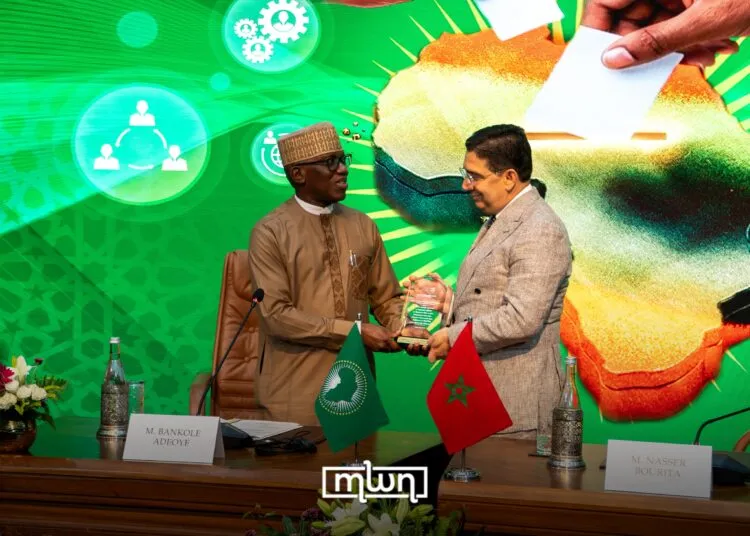
During a significant assembly in Rabat, Morocco's Minister of Foreign Affairs, Nasser Bourita, emphasized the critical importance of inclusivity in electoral processes. Speaking at the opening of the fifth edition of the African Union Election Observation Training Cycle, Bourita pointed out that elections lose their legitimacy when they exclude segments of the society. He highlighted the vital roles of women, youth, and persons with disabilities, stating that their participation in the democratic process should be grounded in principle rather than mere symbolism. Inclusion, he argued, enhances the credibility and quality of democratic practices.
Bourita articulated that this training initiative, conducted in collaboration with the African Union and co-chaired by Bankolé Adeoye, the AU Commissioner for Political Affairs, Peace, and Security, is a reflection of a matured partnership aimed at bolstering stability and democratic governance across the continent. The minister asserted that the foundation of African democracy lies within African expertise, noting that effective election observation is contingent upon the involvement of trained professionals who operate independently and responsibly.
Figures released during the event indicated that nearly 400 observers from 53 African nations have been trained in Rabat since the program's inception, with a remarkable 65% of participants being women and about 85% being young individuals. This demographic composition underscores a commitment to fostering a new generation of leaders and observers in the electoral process.
Furthermore, Bourita warned that contemporary elections are increasingly challenged by digital threats, such as deepfakes, algorithm-driven misinformation, and the misuse of artificial intelligence. He stressed the urgent need for election observers to be equipped with updated skills and tools to effectively navigate this evolving landscape. The program also featured a seminar-dialogue focused on the intersection of democracy and technology in Africa, particularly emphasizing the role of youth in addressing the implications of artificial intelligence in political life.
As reported by moroccoworldnews.com.