African Lion 2026: A Collaborative Military Endeavor
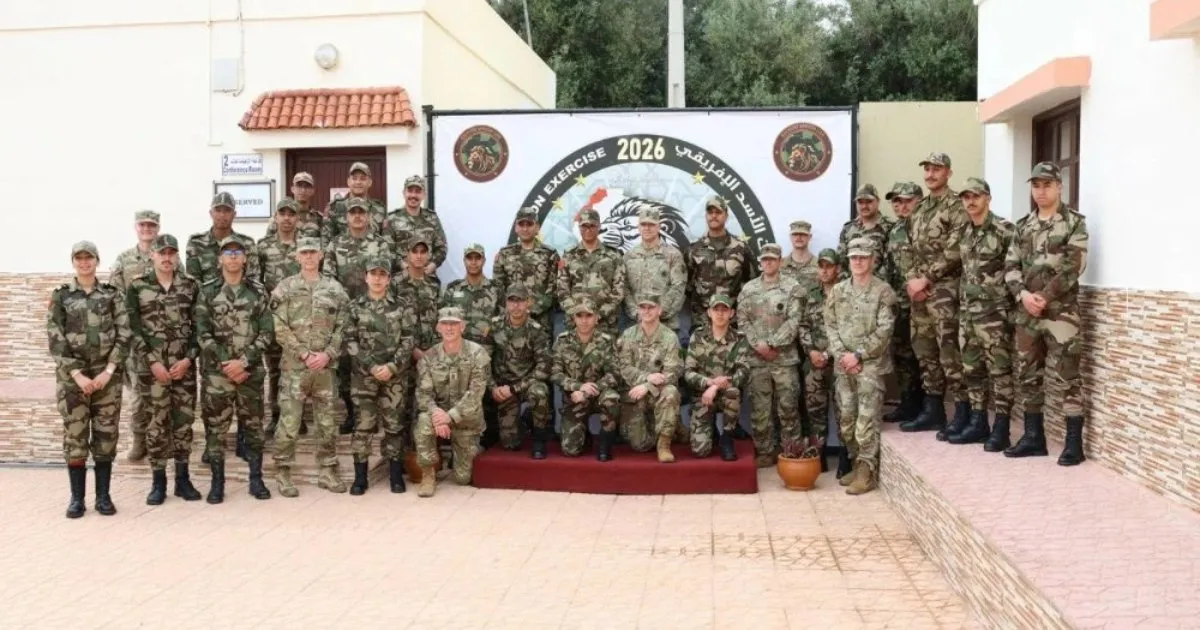
The African Lion 2026 military exercise, recognized as the largest annual multinational military training event organized by the United States in Morocco, serves as a testament to the enduring commitment between Morocco and the United States to maintain regional security and stability. As U.S. Ambassador to Morocco Duke Buchan emphasized, 'As our nations celebrate 250 years of friendship, this enduring diplomatic and military partnership continues to build capable, interoperable forces and strengthen security across the region.' This sentiment reflects the deep-rooted ties and collaborative efforts that both nations share in fostering a secure environment across North Africa.
Scheduled from April 27 to May 8, 2026, the exercise will see the participation of approximately 5,000 soldiers from over 40 countries, alongside more than 30 industry partners based in the United States. Organized by the U.S. Army, these drills are specifically designed to enhance the collective security capabilities of the U.S., African nations, and their global allies. The training will rigorously evaluate the U.S. joint force and partner nations' proficiency in executing rapid deployments and operating under multi-domain threat conditions, which is critical in today's complex security landscape.
Comprehensive Training and Technological Integration
The breadth of the exercise encompasses a comprehensive suite of training events aimed at testing the full spectrum of military operations. These events will include multinational academic sessions, command field exercises, combined armed live-fire training, and specialized instruction in chemical, biological, radiological, nuclear, and explosives (CBRNE) operations, in addition to humanitarian civic assistance initiatives. Such a diverse training regimen aims to refine the skills and interoperability of participating forces, fostering a collaborative approach to modern military challenges.
Furthermore, the exercise will integrate over 30 U.S.-based vendors, focusing on testing emerging capabilities across various domains, including mission command, deep attack, and defense-in-depth strategies. Among the validated technologies will be autonomous systems, artificial intelligence-enabled command and control systems, counter-unmanned aircraft systems, and advanced intelligence, surveillance, and reconnaissance platforms. As U.S. General Dagvin Anderson, commander of U.S. Africa Command, articulated, 'African Lion 2026 is a critical demonstration of peace through strength in action.' This exercise is pivotal in preventing Islamic terrorists in Africa from establishing safe havens that could threaten U.S. interests and empowers allies and partners to lead efforts to dismantle and eradicate these threats.
Moreover, a recent report from the Spain-based defense analysis platform Defensa has provided insights into Morocco's evolving military posture, highlighting a strategic doctrine that not only prioritizes the defense of territorial integrity but also emphasizes an active role in regional security throughout the Sahel corridor. This analysis arrives at a crucial time when Morocco's security architecture is under increased scrutiny.
Additionally, a delegation of U.S. Senators, led by Jerry Moran, engaged in discussions with senior Moroccan defense officials in Rabat, focusing on various aspects of bilateral cooperation concerning security and defense. The meeting, attended by Minister Delegate Abdeltif Loudyi, signifies ongoing efforts to reinforce the military and defense collaboration between Morocco and the United States, further solidifying their commitment to regional security stability.
As reported by northafricapost.com.