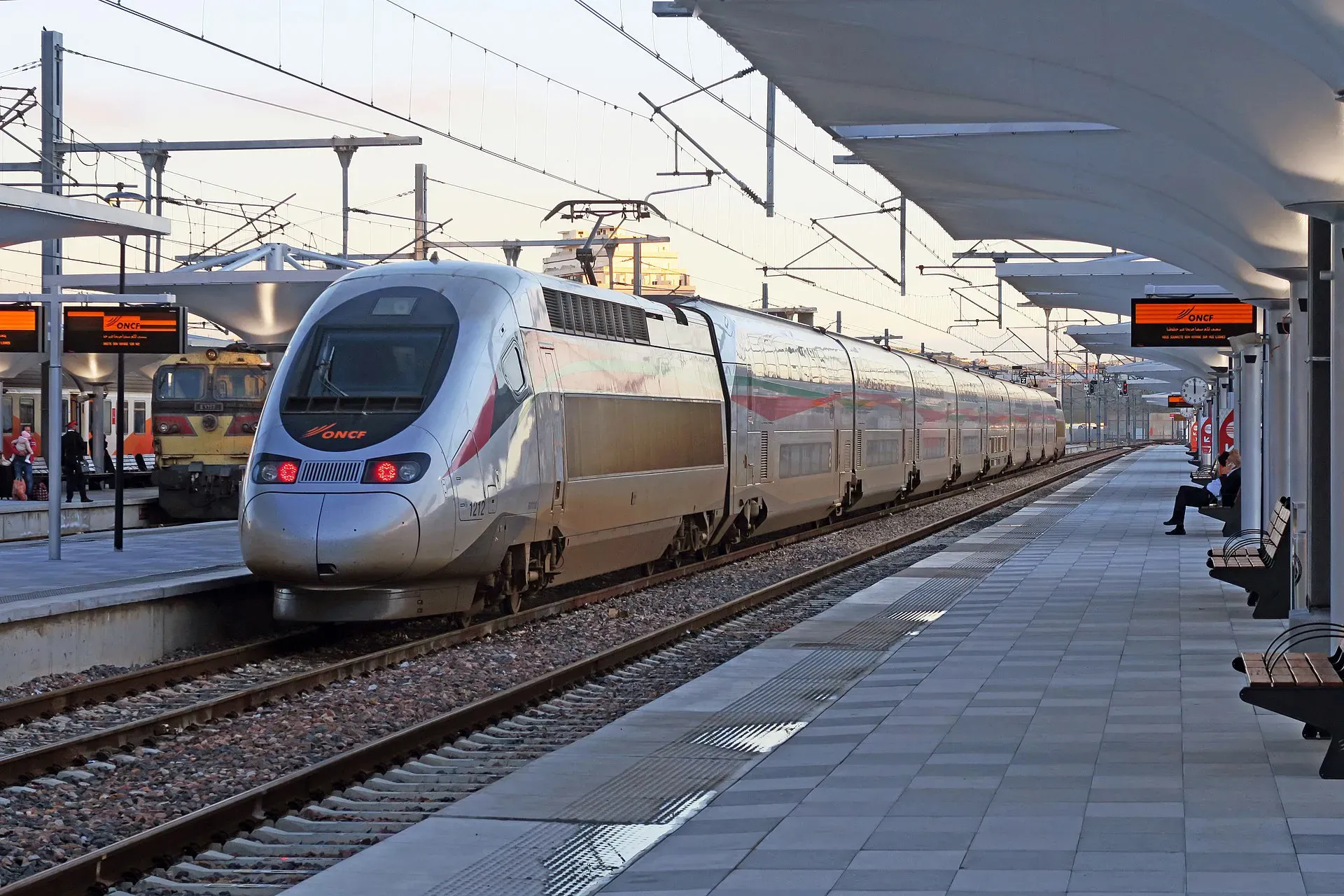
On September 7, 2026, the African Development Bank announced its approval of a substantial loan amounting to €205 million (approximately $234 million) aimed at bolstering Morocco's high-speed railway network. This financial support is part of a broader initiative to enhance the infrastructure of one of the busiest transport corridors in the country, especially in light of Morocco's preparations to co-host the 2030 FIFA World Cup alongside Spain and Portugal. The loan will specifically enhance capacity and operational performance on the rail line connecting Kenitra and Marrakech, which significantly handles a large share of passenger and freight transport in Morocco.
Investment in National Infrastructure
This funding is a vital component of Morocco's ambitious strategy to invest around $10 billion in developing intercity rail networks. The project includes the construction of a high-speed rail line that will extend to Marrakech, facilitating access as the nation gears up to host the World Cup. The new rail line will stretch 430 kilometers, beginning at Kenitra on the Atlantic coast, passing through major cities such as Rabat and Casablanca, and ultimately connecting to Marrakech. This development is expected to significantly enhance connectivity between the country's key economic and tourist hubs.
According to official data released by the National Office of Railways and the Ministry of Transport and Logistics, the total cost of the project is estimated to be around 96 billion dirhams (approximately $9.6 billion), with an operational speed of up to 320 kilometers per hour. The project also entails the construction of a 3-kilometer tunnel beneath the capital city, Rabat, and a direct link to the Grand Stadium in Benslimane and Mohammed V International Airport in Casablanca, which is part of the infrastructure development plan for the 2030 World Cup.
The new rail line is projected to reduce travel time between Tangier and Marrakech to 2 hours and 40 minutes, down from the previous 5 hours. Furthermore, the journey between Rabat and Mohammed V Airport is expected to be cut to about 35 minutes. In parallel, the Moroccan government is modernizing its railway fleet through contracts for the acquisition of 168 new trains, including high-speed trains. These contracts stipulate technology transfer and an increase in local industrial integration to over 40%, aiming to strengthen the local railway industry and expand its operational capacity.
As reported by aljazeera.net.