Morocco's Renewable Energy Progress: An In-Depth Analysis
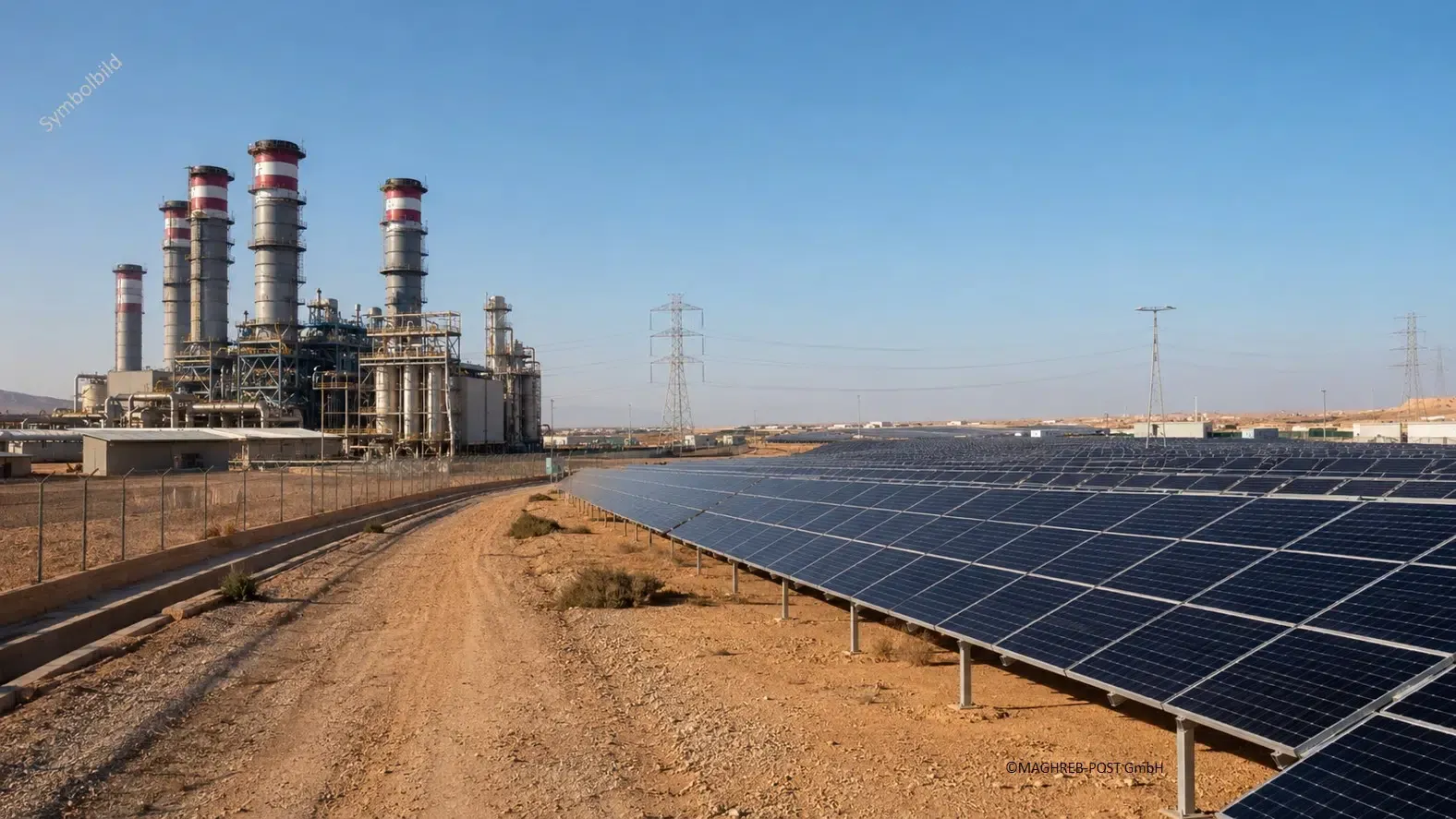
As Morocco's government prepares to assess its achievements at the end of the current legislative period in the summer of 2026, one figure consistently emerges in its official communications: 46 percent. This statistic is prominently featured in government reports presented to Parliament in Rabat and during meetings with international partners in Brussels, serving as a testament to the significant strides the Kingdom has made in expanding renewable energy sources. Landmark projects such as the Noor Ouarzazate solar complex and various wind farms along the Atlantic coast have garnered international recognition for Morocco, positioning it as a leader in Africa's energy transition.
Indeed, Morocco is at the forefront of the renewable energy revolution on the continent. Support from international entities, including the World Bank, the African Development Bank, the European Union, the German KfW, and Gulf monarchies, has been instrumental in the financial and technical advancement of renewable energy initiatives. Furthermore, Morocco has ambitious plans for green hydrogen and aspires to establish itself as an energy exporter in the long term.
However, a closer examination of the available data reveals a more nuanced scenario. While the installed capacities of renewable energy have indeed seen substantial growth, the actual contribution of these sources to the country’s energy supply is significantly lower. Experts, investors, and industry representatives point to regulatory frameworks that may hinder the transition to a more decentralized and less import-dependent energy system. The oft-cited figure of 46 percent, along with the target of 52 percent for 2030, pertains specifically to the installed generation capacity from renewable sources, which reflects the proportion of solar, wind, and hydropower plants relative to the theoretically available total capacity of Morocco's electricity system under optimal conditions.
Challenges and Opportunities in Energy Supply
However, when it comes to actual electricity production, the numbers tell a different story. According to the National Electricity Regulatory Authority (ANRE) and the Moroccan Court of Accounts, the real share of renewable energies in electricity generation stands at approximately 26 to 27 percent. This discrepancy is technically understandable as solar and wind facilities do not produce a steady supply of electricity but are subject to weather conditions. Therefore, the real energy supply of a country is not solely determined by installed capacity but rather by the actual amount of electricity generated and fed into the grid.
Moreover, the Ministry of Energy Transition acknowledged at the end of 2025 that the share of renewable energy in electricity supply can dip significantly below the annual average depending on weather conditions, at times reaching figures between 12 and 20 percent. Thus, while the figure of 46 percent is not inaccurate, it describes a different metric than what is relevant for the actual energy supply to households and businesses.
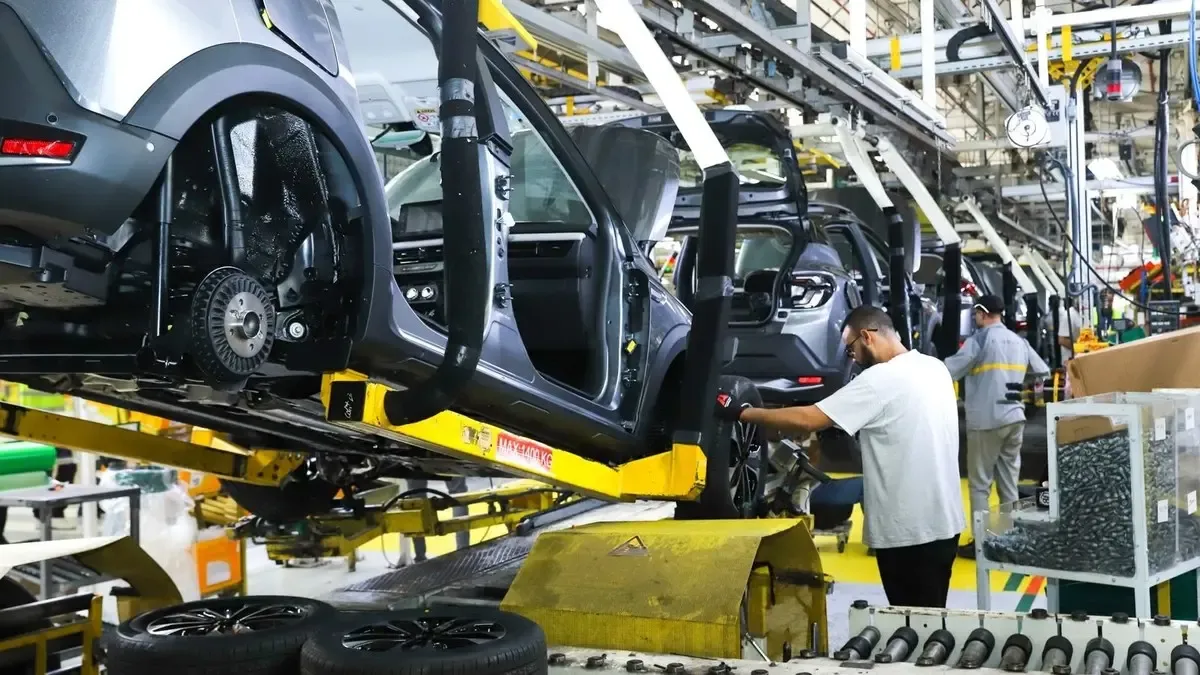
Examining the overall energy consumption of the country provides even clearer insight. Electricity constitutes only about 15 percent of Morocco's total final energy consumption, with the majority being allocated to transportation, industry, heating, and agriculture—sectors that predominantly rely on fossil fuels. This perspective alters the emphasis on the energy transition compared to the frequently cited expansion figures. A simplified calculation illustrates the distinction between the electricity mix and the total energy mix. Of the electricity produced in Morocco, approximately 26 kilowatt-hours out of every 100 kilowatt-hours come from renewable sources. Given that electricity constitutes merely 15 percent of the total energy consumption, this indicates that renewable energy sources currently meet only about four percent of Morocco's overall energy demand.
This calculation does not imply that investments in solar and wind energy are ineffective; rather, it underscores that the energy transition is primarily occurring within the electricity sector, while the largest energy consumers in the economy continue to rely heavily on fossil fuels. The prevalence of fossil fuels is evident in the daily lives of many Moroccans. Electric transport systems (excluding the ONCF railway network) are largely limited to tram networks in Rabat-Salé and Casablanca, while the majority of public transport, taxi, and long-distance transport fleets still operate on diesel or gasoline. In households, butane gas remains the dominant energy source for cooking, heating water, and sometimes for heating, especially in rural areas where traditional fuels like wood still play a role. Electricity is indeed covering an increasing share of energy needs but remains just a part of the overall consumption.
Despite this critical perspective, it does not indicate that Morocco has failed in its energy transition efforts. On the contrary, the country boasts some of the largest solar and wind projects in Africa and has established itself as a significant player in the renewable energy sector on the continent. The real challenge now lies less in the construction of additional large-scale facilities and more in how renewable energy can be integrated into the daily operations of industry, transportation, and households. As long as substantial portions of energy consumption occur outside the electricity sector, the impact of the energy transition on the overall energy mix will be limited.
In summary, Morocco's ambitious energy transition reflects its commitment to renewable energy and sustainable development. However, the path forward will hinge on addressing the regulatory, economic, and infrastructural challenges that currently impede a broader adoption of these energy sources across various sectors. Only through such measures can the visible expansion of renewable energy translate into a meaningful reduction in the country's dependence on fossil fuel imports.
As reported by maghreb-post.de.