The Spanish Supreme Court has opened the door to a significant legal dispute that could have national implications, after accepting an appeal filed by the Islamic community in Ceuta, predominantly comprised of Moroccan immigrants. This appeal challenges a previous decision that denied the allocation of a designated area for Islamic burials within the municipal cemetery. The case raises critical questions regarding freedom of belief and the rights of Muslims to bury their deceased in accordance with their religious traditions, all under the scrutiny of the Spanish judiciary.
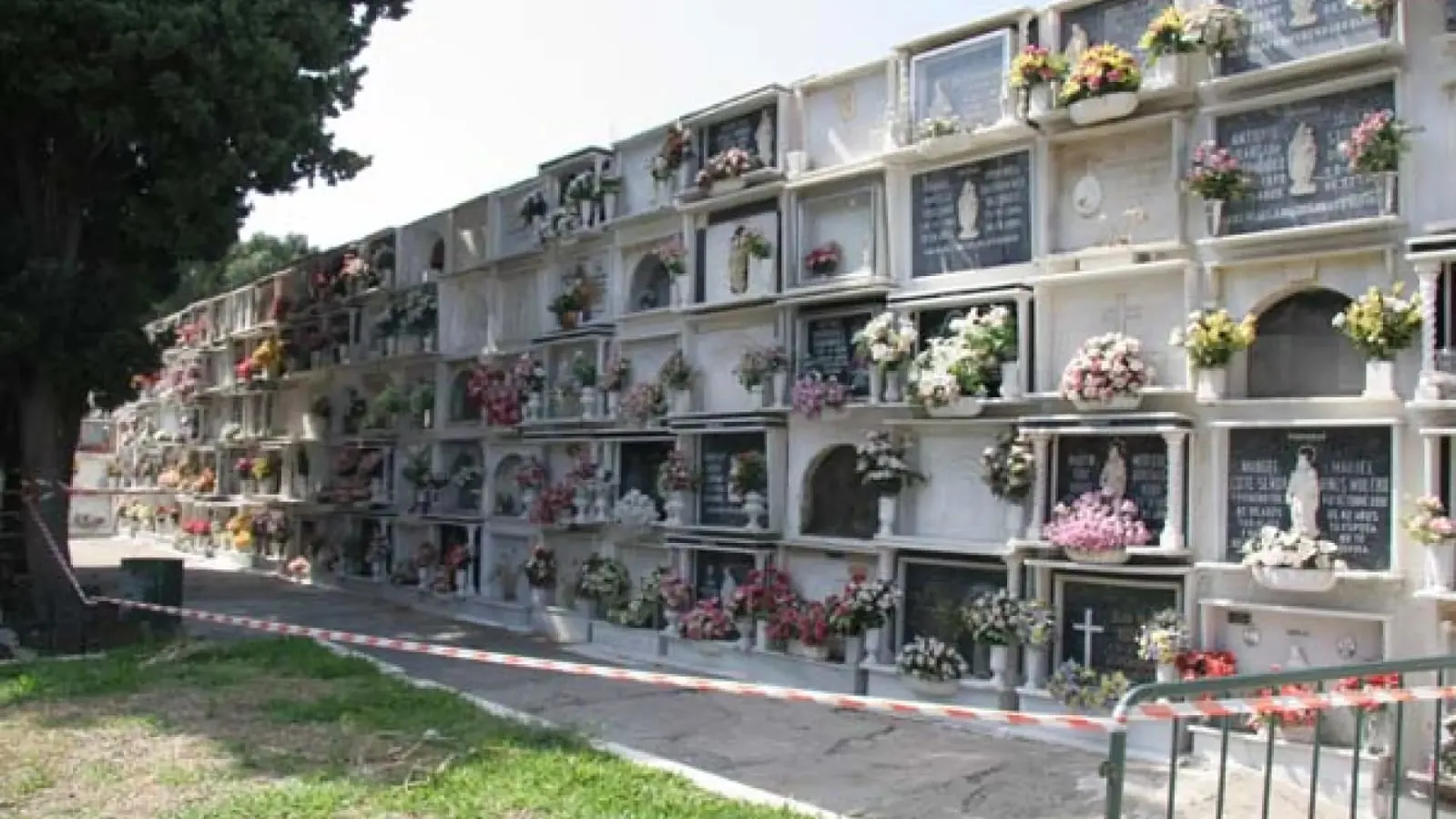
According to Spanish media reports, the Supreme Court has accepted the appeal brought forth by the "Islamic Community of Mercy" in Ceuta, which has been engaged in a lengthy legal battle with the local council regarding a request to allocate a piece of land within the "Putafoiguos" municipal cemetery for Islamic burials. Importantly, the request is not for the establishment of an independent Islamic cemetery; rather, it seeks to designate a separate area within the existing public cemetery. This appeal is founded on a cooperation agreement between the Spanish state and the Spanish Islamic Commission, which outlines the rights of Muslims in this domain.
The local authorities in Ceuta had previously rejected the request without addressing its substance, arguing that the local Islamic community lacked the legal standing to submit such a proposal, and that this authority belongs exclusively to the national Islamic Commission. Although the administrative court in Ceuta initially sided with the Islamic community, asserting that the council's decision infringed upon freedom of belief, the Andalusian Supreme Court later overturned that ruling, claiming the issue was more procedural than a direct violation of a fundamental right. This prompted the community to escalate the matter to the Spanish Supreme Court.
The Supreme Court has recognized that the case transcends local concerns, as it presents a broader legal question about whether a local administration can prevent a religious community from asserting a right linked to freedom of belief, citing a lack of legal standing without considering the essence of the right itself. The court is expected to evaluate the compatibility of the contested decision with the provisions of the Spanish Constitution, particularly those pertaining to equality, freedom of belief, and the right to legal recourse, alongside the legal texts governing the relationship between the state and religious denominations.
This case holds particular significance for the Muslim community in the region, especially in light of the absence of a designated area for Islamic burials in Ceuta's municipal cemetery. Families of the deceased are often burdened with high costs to repatriate bodies to their countries of origin or to transport them to other cities like Ceuta or Jerez, where facilities for Islamic burials are available. Reports indicate that the costs for transporting remains abroad can range from €2,500 to €6,000, considering the administrative and health procedures, as well as air transport requirements, highlighting the case's social and humanitarian dimensions beyond the legal debate.
The anticipated ruling from the Supreme Court is likely to set a judicial precedent that could influence the situations of Muslim communities facing similar challenges elsewhere in Spain.
As reported by ar.telquel.ma.