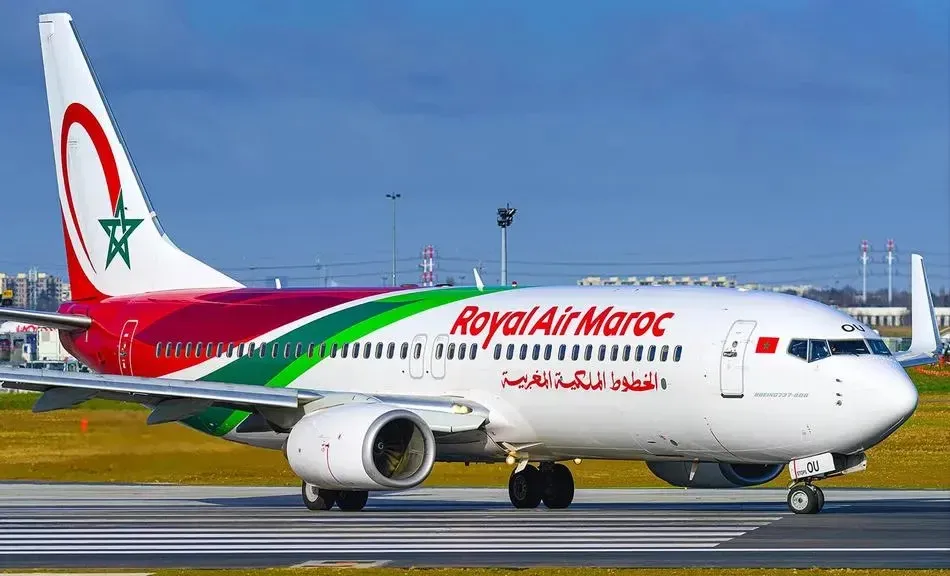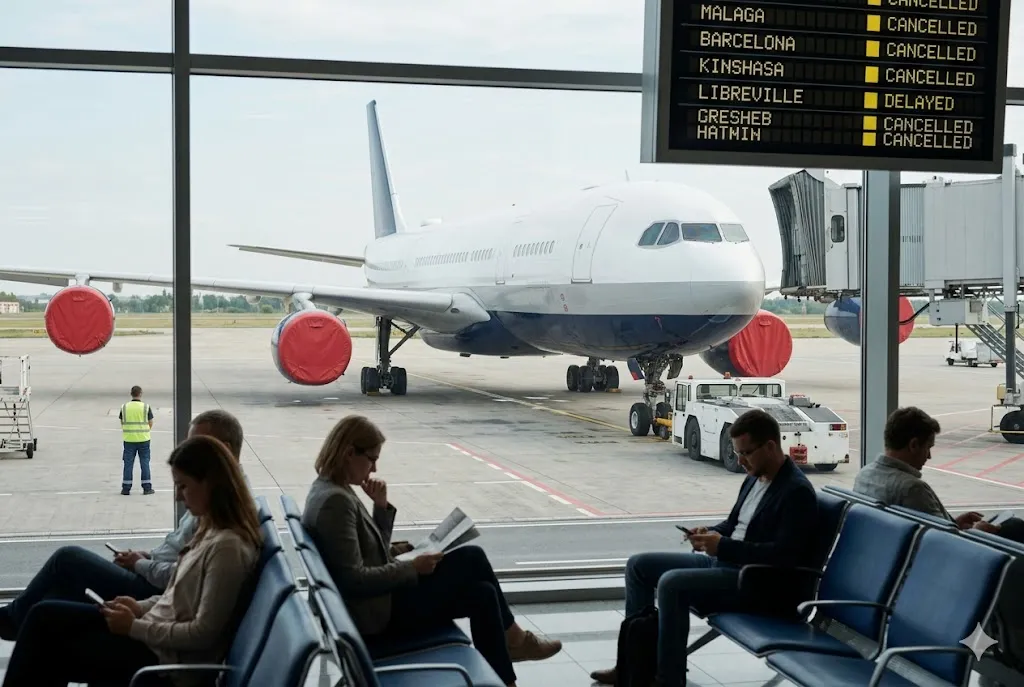
In a significant development affecting air travel across Morocco, Royal Air Maroc has announced the temporary suspension of twelve international flight routes due to a dramatic increase in global jet fuel prices. This announcement, which comes as a disappointment to many, highlights the challenges faced by the airline industry amid fluctuating energy costs. The suspension impacts cities from Casablanca, Tangier, and Marrakesh, where vital connections for families, friends, and business travelers will be interrupted, causing a ripple of frustration and uncertainty for those reliant on these routes.
The situation stems from escalating tensions in the Middle East, which have led to soaring energy prices. Notably, conflicts involving Iran and disruptions in the critical Strait of Hormuz have placed immense pressure on the aviation sector, causing kerosene prices to surge to levels not seen in years. Reports indicate that fuel costs have now exceeded $1,700 per ton, a staggering increase from $830 per ton just weeks prior. Given that fuel accounts for approximately 30% of an airline’s operating costs, this price spike poses a formidable challenge for airlines globally, including Royal Air Maroc, which is acutely felt in Morocco.
Routes Affected by Suspension
The provisional suspension of flights affects several key destinations across Africa and Europe. Effective immediately, the airline has halted connections from Casablanca to major cities such as Bangui, Brazzaville, Kinshasa, Douala, Yaoundé, and Libreville. Additionally, flights from Tangier to Malaga and Barcelona are also on hold, along with services from Marrakesh to Lyon, Bordeaux, Marseille, and Brussels. The selection of these routes for suspension is attributed to a combination of high operating costs and diminished passenger demand, necessitating a careful management of resources during these tumultuous times.
This current suspension is not an isolated incident; earlier in 2026, Royal Air Maroc had to suspend flights to Doha and Dubai due to similar concerns regarding regional instability and safety in Middle Eastern airspace. The ongoing fuel crisis is simply the latest in a series of challenges that have confronted the airline industry this year. Royal Air Maroc continues to navigate these difficulties with a strong commitment to safety and sustainability.
Support for Travelers and Future Outlook
Understanding the impact of this decision on its passengers, Royal Air Maroc has pledged to assist those affected by these changes. The airline's support teams are prepared to help travelers with alternative flight arrangements or manage refunds, ensuring the transition is as smooth as possible. The airline is optimistic that these routes will resume once the global economy stabilizes and fuel prices are brought back under control.
Despite the current challenges, Morocco remains a welcoming destination for international visitors. Royal Air Maroc is steadfast in its preparations for the upcoming 2030 FIFA World Cup and is dedicated to its long-term vision of connecting the Kingdom to the world. The airline’s employees are recognized for their hard work during these trying times, and there is a collective hope that travel will return to normal soon. We share in the belief that brighter days for air travel are on the horizon, and the iconic planes of Royal Air Maroc will once again grace the skies with pride.
As reported by travelandtourworld.com.