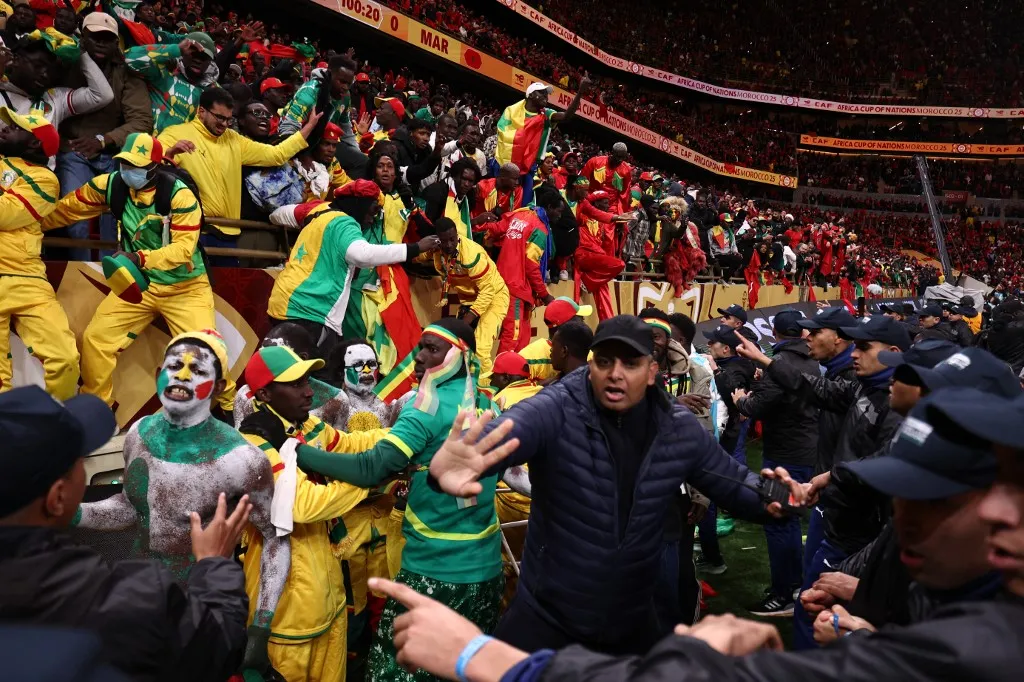
On Saturday, May 23, an official announcement from the Royal Cabinet of Morocco revealed that King Mohammed VI has granted clemency to 15 Senegalese supporters who were imprisoned during the Africa Cup of Nations (AFCON) held earlier this year. The tournament, which took place in January, was initially claimed by Senegal, but Morocco controversially assumed the title on March 17, a decision that has been disputed by Dakar.
This royal decree was justified on the grounds of "human considerations." However, it was also influenced by the upcoming celebration of Eid al-Adha, which was set to occur just days later, on Wednesday, May 27. Furthermore, the statement emphasized the longstanding fraternal ties between the Kingdom of Morocco and the Republic of Senegal, indicating that this decision was made in the spirit of reconciliation and cooperation between the two nations.
The events in question unfolded on January 18 during the AFCON final held in Rabat, where Senegal emerged victorious with a score of 1-0. The match descended into chaos following a penalty awarded to Morocco during stoppage time, just after a Senegalese goal was disallowed. This led to several Senegalese players leaving the field, while some supporters attempted to storm the pitch, resulting in projectiles being thrown and subsequent arrests.
Legal Consequences and Diplomatic Implications
In February, Moroccan authorities sentenced 18 Senegalese nationals to prison terms ranging from three months to one year for charges of "hooliganism." These charges included violent acts against law enforcement, damage to sports facilities, pitch invasions, and throwing objects, with the individuals having been detained since their arrest during the final match. By mid-April, three of these supporters had already been released after serving their sentences, while the royal pardon announced on May 23 applied to the remaining 15 still incarcerated.
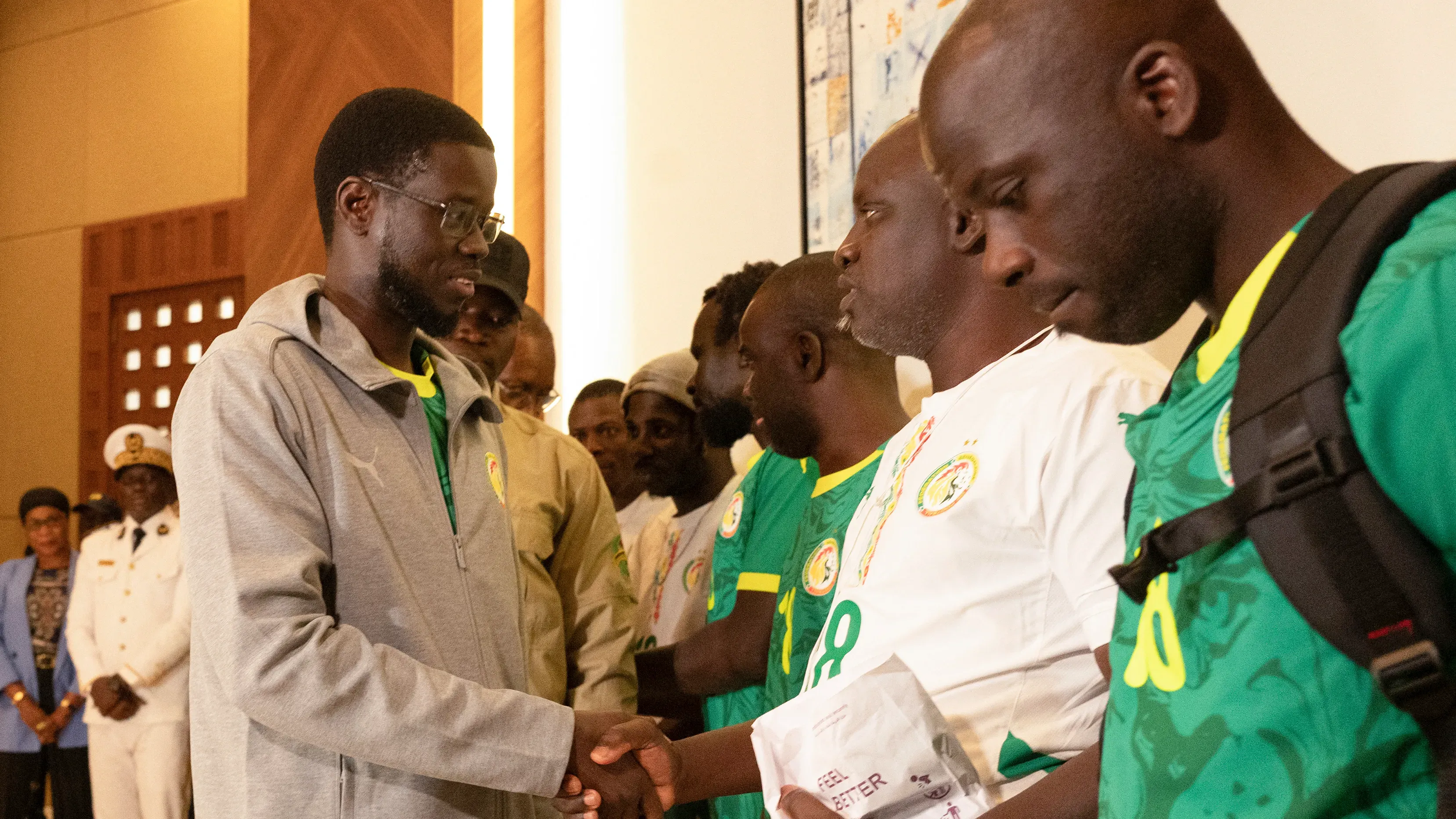
According to the Moroccan prosecution, the case was supported by footage from the Moulay-Abdellah stadium and medical reports concerning injuries, with damages estimated at over €370,000. Following their release, the supporters arrived at Blaise Diagne Airport in Diamniadio near Dakar shortly after midnight on May 24, where they were greeted by President Bassirou Diomaye Faye and representatives from the Senegalese Football Federation. The President expressed joy at their safe return, reiterating that the Lions of Teranga remain, in his view, "the champions of Africa for the second time," a title still contested before the Court of Arbitration for Sport (CAS).
This situation has not only sparked legal consequences but also tested the diplomatic relations between Dakar and Rabat. In February, former Senegalese Prime Minister Ousmane Sonko expressed concerns that tensions could escalate between "two countries that claim to be friends." Meanwhile, Patrice Motsepe, President of the African Football Confederation, praised the royal decision as a powerful demonstration of football's ability to unite and bring our peoples together across Africa and beyond.
King Mohammed VI lamented the "unfortunate incidents and highly regrettable actions" that transpired during the final, as noted in the royal statement, which assured that "once the passion subsides, inter-African fraternity will naturally prevail." The CAF had previously imposed disciplinary sanctions on both federations for unsporting behavior and violations of fair play principles.
Enduring Ties Between Morocco and Senegal
Despite the turmoil surrounding this incident, Morocco and Senegal continue to maintain their close and historical relationship, characterized by long-standing cooperation in various sectors, including tourism, energy, training, infrastructure, and transportation. The two nations also share significant religious bonds. Moreover, there is a considerable Senegalese diaspora in Morocco, with Senegalese nationals comprising the largest group of foreigners residing in the kingdom, accounting for 18.4% of the foreign population, according to the High Commission for Planning.
As reported by rtl.fr.