
Impact of Fuel Price Surge on Moroccan Airline Operations
On Saturday, the Royal Air Maroc announced a temporary suspension of certain flights to European and African destinations, attributing this decision to the rising fuel prices resulting from the ongoing conflict in the Middle East. The global shortage of petroleum products has been significantly influenced by disrupted production in the Middle East, due to the blockade of shipping activities, destruction of oil and gas extraction wells, as well as damage to oil refineries in the Gulf region and the ongoing crisis in Russia and Ukraine.
This troubling situation prompted the International Energy Agency to issue a strong warning regarding the energy sector's vulnerability, highlighting the potential risks of dwindling oil reserves leading to supply interruptions. Such disruptions could halt all activities reliant on petroleum energy, including jet fuel used in both civil and military aviation, unless peace is restored in the Middle East and the United States reconsiders its aggressive stance on seizing regional reserves through military might.
The Need for a Revival in Oil Refining Capacity in Morocco
In Morocco, the annual consumption of kerosene approaches 900,000 tons, all of which is imported in refined form from abroad. Prior to 2015, all of Morocco's needs were met by the Samir refinery, which even produced a surplus of approximately 300,000 tons for export. The last export occurred months before the refinery's operations were halted, pushing it into judicial liquidation due to financial insolvency. This raises the critical issue of reviving the Samir refinery, especially in light of the current international context where the deficit in refined petroleum products is more pronounced than that in crude oil. The importance of having domestic refining industries has been emphasized, particularly in light of the Competition Council's opinion during the tenure of its former president, Karoui.
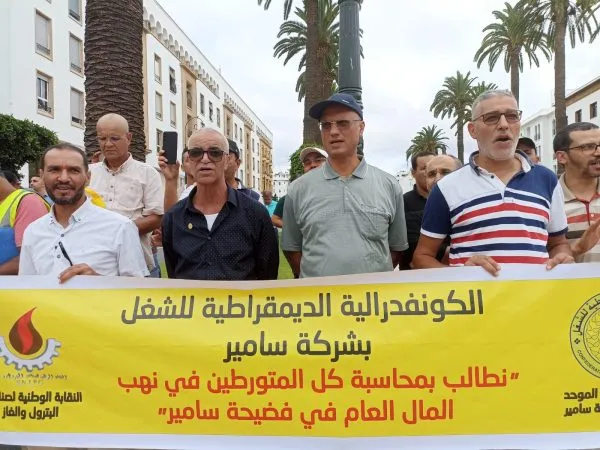
The staggering losses stemming from the declining reserves of petroleum, including aviation fuel, intensify the question of responsibility for the shutdown of the Mohammedia refinery and the deprivation of Morocco from the benefits of this industrial facility. The ongoing war in the Middle East has exacerbated the energy crisis, raising the stakes for international energy markets. If the Samir refinery were operational today, it could continue to purchase and refine crude oil to meet national fuel needs, rather than being directly affected by global market shortages due to reductions in global refining activity and the systematic destruction of energy assets, including oil refineries in the Gulf and Ukraine.
Morocco is once again facing the loss of an opportunity to leverage the benefits of petroleum refining and secure energy independence. It begs the question: will those responsible for the energy sector and the public interest in Morocco learn lessons from these developments? Or will they continue to overlook the constitutional principle linking responsibility to accountability concerning the Samir refinery and the national energy reserves?
As reported by alyaoum24.com.


